

Tantalum tubes are widely used in various industries due to their unique properties such as high corrosion resistance, excellent thermal conductivity, and good mechanical strength. As a tantalum tube supplier, I often get asked about the environmental friendliness of these products. In this blog post, I will delve into the topic and explore whether tantalum tubes can be considered environmentally friendly.
Tantalum: A Valuable Resource
Tantalum is a rare, hard, blue-gray, lustrous transition metal that is highly corrosion-resistant. It is primarily mined from tantalite, which is found in various parts of the world, including Australia, Canada, Brazil, and Africa. The demand for tantalum has been steadily increasing over the years, driven by its use in electronic devices such as smartphones, laptops, and tablets, as well as in the chemical, aerospace, and medical industries.
Environmental Impact of Tantalum Mining
The mining and extraction of tantalum can have significant environmental impacts. One of the main concerns is the destruction of natural habitats and ecosystems. Mining operations often involve clearing large areas of land, which can lead to deforestation, soil erosion, and loss of biodiversity. Additionally, the use of heavy machinery and chemicals in the mining process can generate air and water pollution, as well as noise and dust.
Another environmental issue associated with tantalum mining is the generation of waste. Tantalum mining produces large amounts of tailings, which are the waste materials left over after the extraction of the valuable minerals. These tailings can contain heavy metals and other toxic substances, which can contaminate soil, water, and air if not properly managed.
Recycling and Sustainable Practices
To mitigate the environmental impact of tantalum mining, the industry has been increasingly focusing on recycling and sustainable practices. Recycling tantalum from electronic waste and other sources can help reduce the demand for newly mined tantalum and conserve natural resources. It also reduces the environmental impact associated with mining and extraction.
In addition to recycling, many tantalum mining companies are implementing sustainable practices to minimize their environmental footprint. These practices include using renewable energy sources, reducing water consumption, and implementing reforestation programs. Some companies are also working with local communities to ensure that the benefits of mining are shared equitably and that the environmental and social impacts are minimized.
Environmental Friendliness of Tantalum Tubes
When it comes to the environmental friendliness of tantalum tubes, it is important to consider their entire life cycle, from raw material extraction to disposal. While the mining and extraction of tantalum can have significant environmental impacts, the use of tantalum tubes in various applications can also offer environmental benefits.
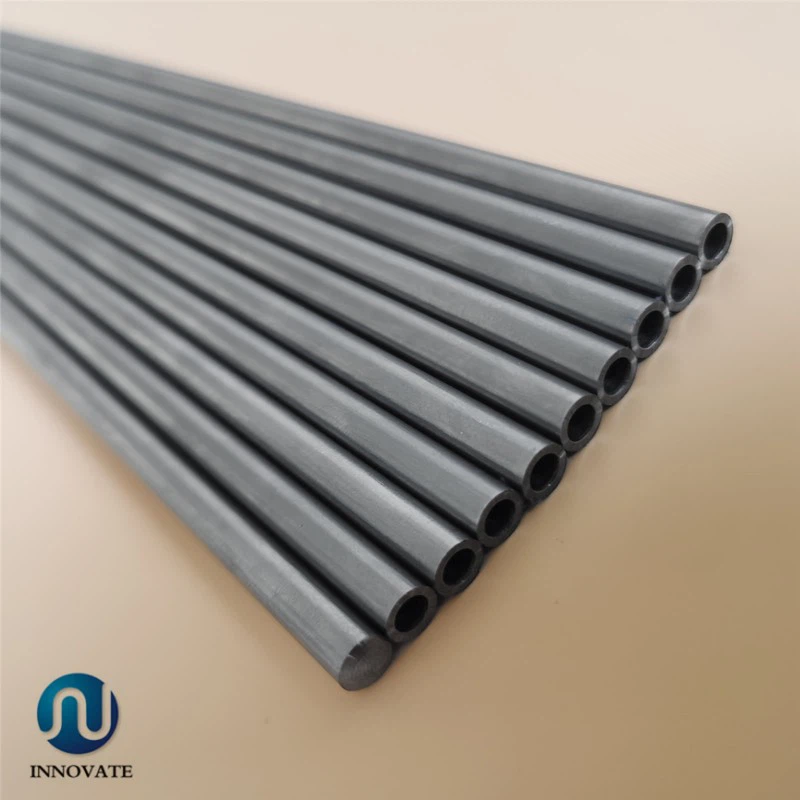
One of the main advantages of tantalum tubes is their high corrosion resistance. This means that they can be used in harsh environments where other materials would quickly corrode and need to be replaced. By using tantalum tubes, companies can reduce the frequency of equipment replacement, which in turn reduces the amount of waste generated and the environmental impact associated with manufacturing and disposal.
Another benefit of tantalum tubes is their long lifespan. Tantalum is a very durable material, and tantalum tubes can last for many years, even in demanding applications. This means that they do not need to be replaced as often as other materials, which further reduces the environmental impact.
In addition to their durability and corrosion resistance, tantalum tubes are also highly efficient. They have excellent thermal conductivity, which means that they can transfer heat quickly and efficiently. This can help reduce energy consumption in applications such as heat exchangers and chemical reactors, which in turn reduces greenhouse gas emissions and the environmental impact.
Conclusion
In conclusion, while the mining and extraction of tantalum can have significant environmental impacts, the use of tantalum tubes in various applications can offer environmental benefits. Tantalum tubes are highly corrosion-resistant, durable, and efficient, which means that they can help reduce waste, energy consumption, and greenhouse gas emissions. Additionally, the industry is increasingly focusing on recycling and sustainable practices to minimize the environmental impact of tantalum mining.
As a tantalum tube supplier, I am committed to providing our customers with high-quality products that are not only reliable and efficient but also environmentally friendly. We work closely with our suppliers to ensure that the tantalum used in our products is sourced responsibly and that our manufacturing processes are as sustainable as possible.
If you are interested in learning more about our Corrosion Resistant Tantalum Tube for Chemical Industry or have any questions about the environmental friendliness of our products, please do not hesitate to contact us. We would be happy to discuss your specific needs and provide you with more information.
References
- International Tantalum-Niobium Research Center (ITRC). (n.d.). Tantalum: A Critical Metal for Modern Technology. Retrieved from [Website URL]
- United Nations Environment Programme (UNEP). (2019). Global E-waste Monitor 2019: Quantities, Flows and the Circular Economy Potential. Retrieved from [Website URL]
- World Bank Group. (2020). Minerals for Climate Action: The Mineral Intensity of the Clean Energy Transition. Retrieved from [Website URL]