

Zirconium is a remarkable metal known for its unique combination of properties, making it highly valuable in various industrial applications. As a leading zirconium wire supplier, I often encounter inquiries about the bendability of zirconium wire. In this blog post, I will delve into the factors that influence the bendability of zirconium wire and provide insights based on scientific knowledge and practical experience.
Understanding Zirconium Wire
Zirconium wire is a thin, elongated product made from zirconium metal. It is available in different diameters and lengths to meet the specific requirements of various applications. Zirconium is a corrosion-resistant metal with high melting point and excellent mechanical properties. These characteristics make zirconium wire suitable for use in industries such as aerospace, electronics, and chemical processing.
Factors Affecting Bendability
The bendability of zirconium wire is influenced by several factors, including the following:
1. Material Properties
The inherent properties of zirconium metal play a significant role in determining the bendability of the wire. Zirconium has a relatively high strength and hardness compared to some other metals, which can make it more challenging to bend. However, the specific alloy composition and heat treatment of the zirconium wire can affect its ductility and malleability. For example, zirconium alloys with certain additives or heat-treated to a specific condition may exhibit improved bendability.

2. Wire Diameter
The diameter of the zirconium wire is another crucial factor. Thinner wires generally have greater flexibility and are easier to bend compared to thicker wires. This is because the cross-sectional area of a thinner wire is smaller, requiring less force to deform it. As a result, thin zirconium wires, such as the 60702 Thin Zirconium Wire, are often preferred when applications require significant bending or shaping.
3. Bending Radius
The bending radius refers to the curvature of the bend. A smaller bending radius requires more force and places greater stress on the wire. When bending zirconium wire, it is important to consider the minimum bending radius that the wire can withstand without cracking or breaking. This minimum bending radius is influenced by the wire's diameter, material properties, and the bending method used.

4. Bending Method
The method used to bend the zirconium wire can also affect its bendability. There are various bending techniques, including manual bending, using bending tools such as pliers or mandrels, and automated bending processes. Manual bending may be suitable for small-scale or simple bending operations, but it requires skill and experience to achieve consistent results. Automated bending processes, on the other hand, can provide more precise and repeatable bends, especially for high-volume production.
Practical Considerations for Bending Zirconium Wire
Based on my experience as a zirconium wire supplier, here are some practical tips for bending zirconium wire:
1. Choose the Right Wire
Selecting the appropriate zirconium wire for your application is crucial. Consider the wire diameter, alloy composition, and any specific requirements for bendability. If you need a wire that can be easily bent, opt for a thinner wire or a zirconium alloy with improved ductility.
2. Use the Correct Bending Tools
Using the right bending tools can make the bending process easier and more efficient. For small-diameter wires, you can use pliers or small bending mandrels. For larger-diameter wires or more complex bends, specialized bending equipment may be required. Make sure the tools are clean and in good condition to avoid scratching or damaging the wire.
3. Apply Gentle Force
When bending zirconium wire, it is important to apply gentle and gradual force. Avoid using excessive force, as this can cause the wire to crack or break. If you encounter resistance during bending, stop and reassess the situation. You may need to adjust the bending radius or use a different bending method.
4. Annealing
Annealing is a heat treatment process that can improve the ductility and bendability of zirconium wire. By heating the wire to a specific temperature and then cooling it slowly, the internal stresses in the wire are relieved, making it more malleable. However, annealing should be performed carefully, as improper annealing can affect the wire's mechanical properties.
Applications of Bendable Zirconium Wire
The ability to bend zirconium wire easily opens up a wide range of applications in various industries. Some common applications include:
1. Electronics
In the electronics industry, zirconium wire is used in the manufacture of components such as sensors, connectors, and electrodes. The bendability of the wire allows for easy integration into complex electronic circuits and devices.
2. Aerospace
In the aerospace industry, zirconium wire is used in the construction of aircraft engines, fuel systems, and structural components. The ability to bend the wire to precise shapes is essential for meeting the strict design requirements of aerospace applications.
3. Medical
In the medical field, zirconium wire is used in the production of surgical instruments, dental implants, and orthopedic devices. The bendability of the wire allows for customized shaping to fit the specific needs of patients.
Conclusion
In conclusion, the bendability of zirconium wire is influenced by several factors, including material properties, wire diameter, bending radius, and bending method. While zirconium wire is generally more challenging to bend compared to some other metals, proper selection of the wire, use of the correct bending tools, and application of gentle force can make the bending process easier. By understanding these factors and following the practical tips provided, you can successfully bend zirconium wire for your specific applications.
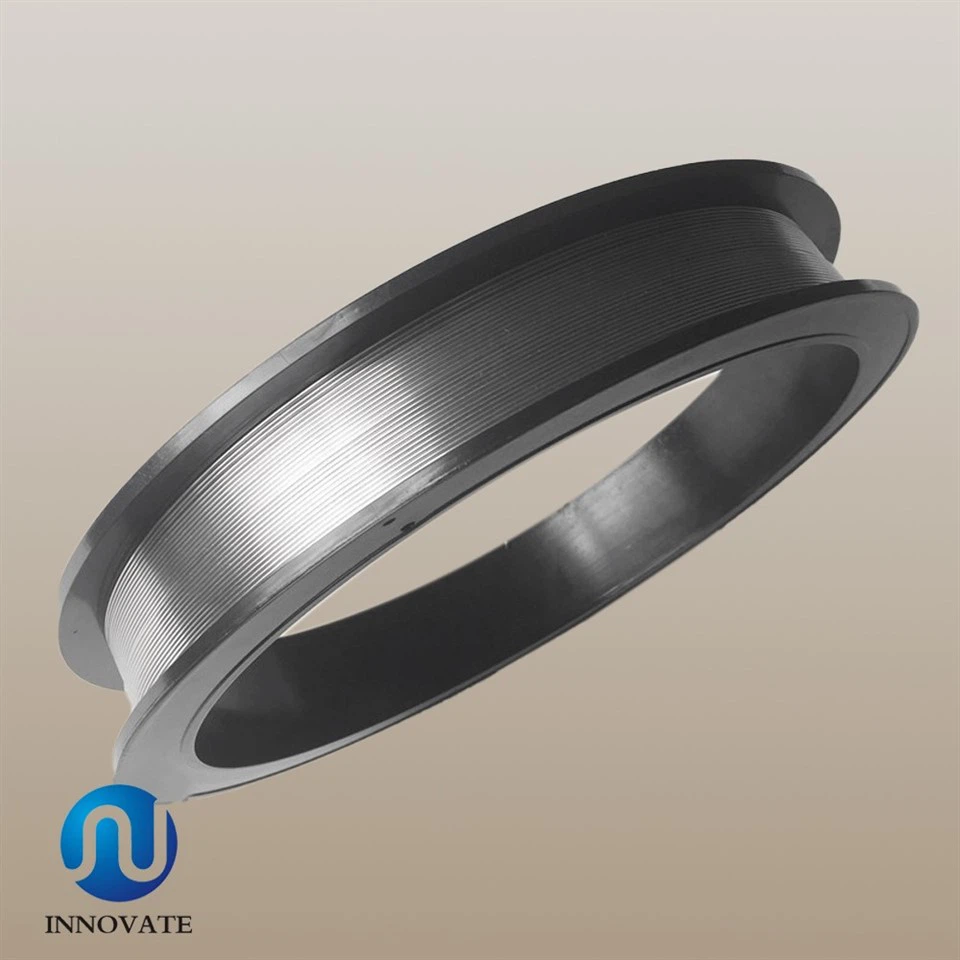
If you are interested in purchasing zirconium wire or have any questions about its bendability or other properties, please feel free to contact us. Our team of experts is ready to assist you in finding the right zirconium wire solution for your needs.
References
- "Zirconium: Properties, Production, and Applications" by ASM International
- "Metallurgy of Zirconium" by R. E. Lerner and G. L. Trigg
- "Handbook of Zirconium" by K. L. Luthra