

Zirconium is a remarkable metal known for its unique properties, including high corrosion resistance, excellent heat resistance, and good mechanical strength. As a zirconium wire supplier, I often receive inquiries about the potential applications of zirconium wire in various industries. One question that has recently piqued my interest is whether zirconium wire can be used in textile manufacturing. In this blog post, I will explore this topic in depth, examining the properties of zirconium wire, the requirements of textile manufacturing, and the potential benefits and challenges of using zirconium wire in this industry.
Properties of Zirconium Wire
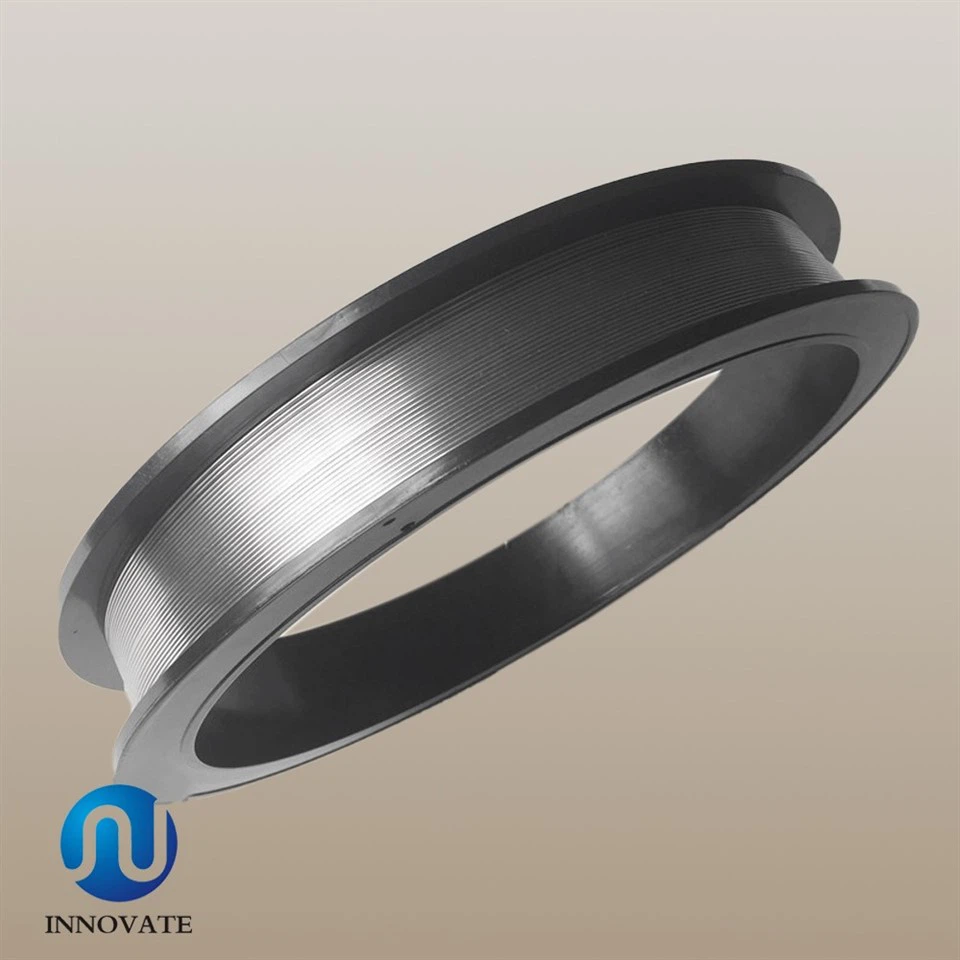
Zirconium wire is typically made from zirconium metal or zirconium alloys. The properties of zirconium wire depend on the specific composition and manufacturing process, but in general, it exhibits the following characteristics:
- Corrosion Resistance: Zirconium is highly resistant to corrosion in a wide range of environments, including acids, alkalis, and seawater. This makes zirconium wire suitable for applications where corrosion resistance is critical, such as in chemical processing and marine environments.
- Heat Resistance: Zirconium has a high melting point and excellent heat resistance, making it suitable for use in high-temperature applications. Zirconium wire can withstand temperatures up to 1852°C (3366°F), making it ideal for use in furnace components, heating elements, and other high-temperature applications.
- Mechanical Strength: Zirconium wire has good mechanical strength and ductility, allowing it to be easily formed into various shapes and sizes. This makes it suitable for use in a wide range of applications, including electrical wiring, jewelry, and medical devices.
- Biocompatibility: Zirconium is biocompatible, meaning it is not harmful to living tissues. This makes zirconium wire suitable for use in medical applications, such as dental implants and surgical instruments.
Requirements of Textile Manufacturing
Textile manufacturing involves the production of fabrics and other textile products from fibers. The requirements of textile manufacturing vary depending on the type of fabric being produced, but in general, the following factors are important:

- Fiber Properties: The properties of the fibers used in textile manufacturing, such as strength, elasticity, and durability, are critical to the quality of the final product. Fibers must be able to withstand the stresses and strains of the manufacturing process, as well as the wear and tear of everyday use.
- Processing Conditions: Textile manufacturing involves a variety of processing steps, including spinning, weaving, knitting, and dyeing. These processes require specific conditions, such as temperature, humidity, and pressure, to ensure the quality of the final product.
- Environmental Sustainability: In recent years, there has been a growing emphasis on environmental sustainability in the textile industry. Textile manufacturers are increasingly looking for ways to reduce their environmental impact, such as by using sustainable fibers, reducing energy consumption, and minimizing waste.
Potential Benefits of Using Zirconium Wire in Textile Manufacturing
While zirconium wire is not commonly used in textile manufacturing, there are several potential benefits to using this material in this industry:
- Enhanced Strength and Durability: Zirconium wire has high mechanical strength and durability, making it suitable for use in applications where strength and durability are critical. By incorporating zirconium wire into textile fibers, it may be possible to enhance the strength and durability of the final product, making it more resistant to wear and tear.
- Improved Heat Resistance: Zirconium wire has excellent heat resistance, making it suitable for use in applications where heat resistance is required. By incorporating zirconium wire into textile fibers, it may be possible to improve the heat resistance of the final product, making it suitable for use in high-temperature environments.
- Antibacterial and Antifungal Properties: Zirconium has antibacterial and antifungal properties, making it suitable for use in applications where hygiene is important. By incorporating zirconium wire into textile fibers, it may be possible to create fabrics that are resistant to bacteria and fungi, reducing the risk of infections and other health problems.
- Environmental Sustainability: Zirconium is a relatively abundant and environmentally friendly metal. By using zirconium wire in textile manufacturing, it may be possible to reduce the environmental impact of the industry, as zirconium is a sustainable and recyclable material.
Challenges of Using Zirconium Wire in Textile Manufacturing
While there are several potential benefits to using zirconium wire in textile manufacturing, there are also several challenges that need to be addressed:
- Cost: Zirconium is a relatively expensive metal, and the cost of zirconium wire may be prohibitive for some textile manufacturers. However, as the demand for zirconium wire increases, the cost may decrease, making it more accessible to the textile industry.
- Processing Difficulties: Zirconium wire is a relatively hard and brittle material, which may make it difficult to process into textile fibers. Specialized equipment and techniques may be required to incorporate zirconium wire into textile fibers, which may increase the cost and complexity of the manufacturing process.
- Compatibility with Textile Fibers: Zirconium wire may not be compatible with all types of textile fibers. The properties of zirconium wire, such as its stiffness and brittleness, may affect the properties of the textile fibers, such as their flexibility and drape. Careful consideration must be given to the compatibility of zirconium wire with textile fibers to ensure the quality of the final product.
- Regulatory Requirements: The use of zirconium wire in textile manufacturing may be subject to regulatory requirements, such as safety and environmental regulations. Textile manufacturers must ensure that they comply with all relevant regulations when using zirconium wire in their products.
Conclusion
In conclusion, while zirconium wire is not commonly used in textile manufacturing, there are several potential benefits to using this material in this industry. Zirconium wire has high mechanical strength, excellent heat resistance, antibacterial and antifungal properties, and environmental sustainability, making it suitable for use in a wide range of applications. However, there are also several challenges that need to be addressed, such as cost, processing difficulties, compatibility with textile fibers, and regulatory requirements.
As a zirconium wire supplier, I am interested in exploring the potential applications of zirconium wire in textile manufacturing. If you are a textile manufacturer interested in learning more about the potential benefits of using zirconium wire in your products, please [contact us] to discuss your specific needs and requirements. We can provide you with more information about our zirconium wire products, including the 60702 Thin Zirconium Wire, and help you determine if zirconium wire is the right material for your application.
References
- "Zirconium: Properties, Applications, and Production." The Minerals, Metals & Materials Society, 2018.
- "Textile Manufacturing Processes." Encyclopedia Britannica, 2021.
- "Sustainable Textile Manufacturing: Challenges and Opportunities." Journal of Cleaner Production, 2019.