

Tantalum, a rare and highly valuable metal, has found extensive applications in various industries due to its exceptional properties such as high melting point, corrosion resistance, and excellent electrical conductivity. Tantalum plates, in particular, are widely used in electronics, chemical processing, and aerospace industries. As a tantalum plate supplier, I understand the importance of being able to identify genuine tantalum plates. In this blog post, I will share some key methods and considerations to help you distinguish genuine tantalum plates from counterfeits.
Physical Appearance and Characteristics
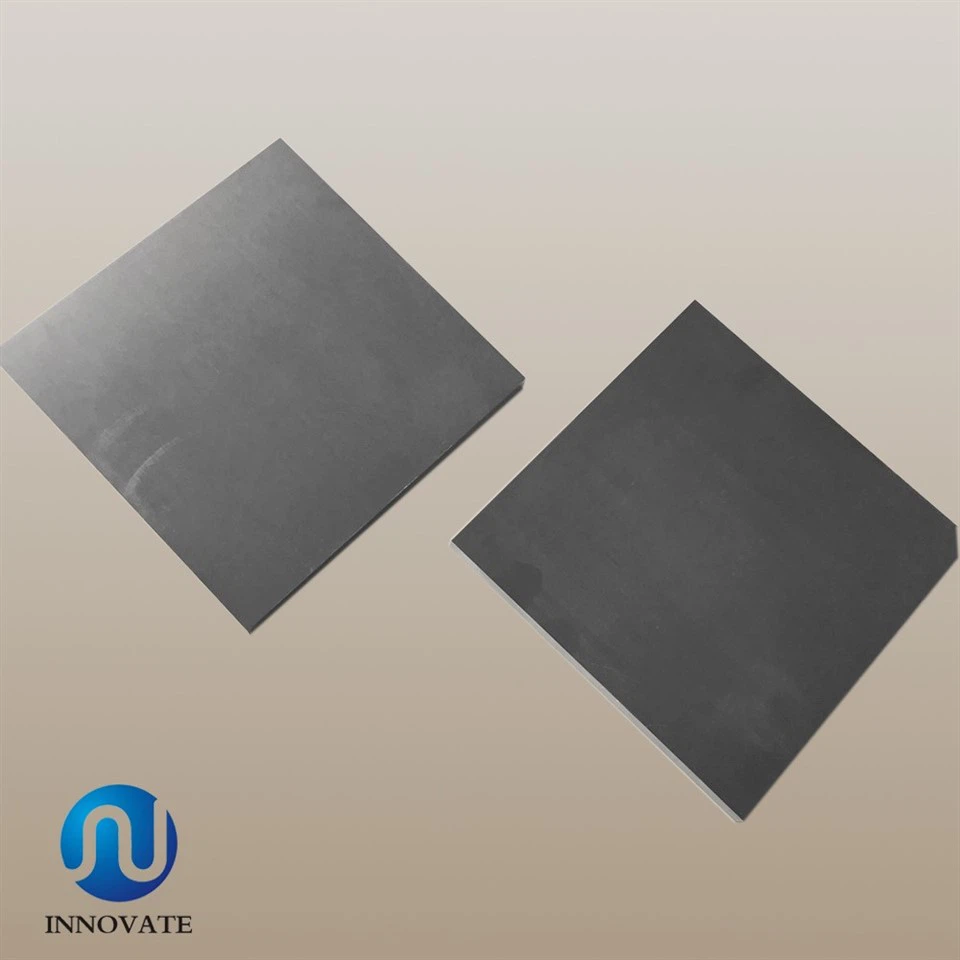
One of the first steps in identifying genuine tantalum plates is to examine their physical appearance. Genuine tantalum plates typically have a silver - gray metallic luster. They are relatively heavy due to tantalum's high density (16.69 g/cm³). When you hold a genuine tantalum plate, you can feel its substantial weight, which is quite different from lighter metals or alloys that might be used to mimic tantalum.
The surface of a genuine tantalum plate should be smooth and free of obvious cracks, pits, or other surface defects. Any irregularities on the surface could indicate poor manufacturing quality or potential issues with the material. Additionally, tantalum plates have a certain level of malleability. You can gently bend a small sample (if possible) within a reasonable range, and it should deform without breaking easily. This is because tantalum is a ductile metal.
Chemical Analysis
Chemical analysis is a crucial method for accurately identifying tantalum plates. There are several techniques available for this purpose.
X - ray Fluorescence (XRF)
XRF is a non - destructive testing method that can quickly and accurately determine the elemental composition of a material. By aiming an X - ray beam at the tantalum plate, the instrument can detect the characteristic X - rays emitted by different elements in the sample. For a genuine tantalum plate, the XRF analysis should show a high percentage of tantalum, typically above 99% for high - purity tantalum plates. Other elements present in trace amounts should also be consistent with the known impurities in tantalum.
Inductively Coupled Plasma Mass Spectrometry (ICP - MS)
ICP - MS is a more sensitive and precise analytical technique. It can detect and quantify trace elements in the tantalum plate with extremely high accuracy. This method is especially useful for detecting small amounts of impurities that might affect the performance of the tantalum plate. For example, the presence of certain elements like niobium, which is chemically similar to tantalum, can be accurately measured using ICP - MS. A genuine tantalum plate should have a very low niobium content, as tantalum and niobium are often separated during the refining process.
Density Measurement
As mentioned earlier, tantalum has a specific density of 16.69 g/cm³. Measuring the density of a tantalum plate can be a simple yet effective way to verify its authenticity. You can use the Archimedes' principle to measure the density. First, weigh the tantalum plate in air using a precise balance. Then, immerse the plate in a liquid (usually water) and measure the apparent weight. By using the formula for density calculation based on the weight in air and the weight in the liquid, you can obtain the density of the sample. If the measured density is close to the known density of tantalum, it is a good indication that the plate is genuine. However, it should be noted that any surface coatings or porosity in the plate can affect the density measurement results.
Verification of Manufacturer and Documentation
When purchasing tantalum plates, it is essential to verify the manufacturer and the accompanying documentation. A reputable manufacturer will provide detailed product specifications, including the purity level, dimensions, and manufacturing process of the tantalum plate. They will also have proper quality control certificates, such as ISO 9001 certification, which indicates that the manufacturing process meets international quality standards.
You can also check the manufacturer's reputation in the market. Look for reviews and feedback from other customers who have purchased tantalum plates from the same manufacturer. A reliable manufacturer is more likely to produce genuine and high - quality tantalum plates.
Comparison with Known Samples
If you have access to a known genuine tantalum plate, you can compare the sample in question with it. Compare the physical appearance, such as color, texture, and surface finish. You can also perform simple tests like hardness testing using a hardness tester. The hardness of a genuine tantalum plate should be consistent with the known hardness of tantalum. By comparing with a known sample, you can quickly identify any significant differences that might indicate a counterfeit or sub - standard product.
Applications and Quality Assurance
Genuine tantalum plates are used in a wide range of critical applications. For example, in the electronics industry, they are used in capacitors due to their excellent electrical properties. In the chemical processing industry, tantalum plates are used in equipment that comes into contact with corrosive chemicals because of their high corrosion resistance.
As a tantalum plate supplier, we ensure the quality of our products through strict quality control measures. Our RO522/5400 High Purity Tantalum Plate is produced using advanced manufacturing processes and undergoes comprehensive testing to meet the highest industry standards. We also offer Tantalum Grounding Ring which is made from high - quality tantalum plates, ensuring reliable performance in electrical grounding applications.
Conclusion
Identifying genuine tantalum plates requires a combination of physical inspection, chemical analysis, and verification of documentation. By using the methods described in this blog post, you can increase your chances of purchasing high - quality and genuine tantalum plates. As a trusted tantalum plate supplier, we are committed to providing our customers with the best products and services. If you are interested in purchasing tantalum plates for your specific applications, please feel free to contact us for more information and to start a procurement negotiation. We look forward to working with you to meet your tantalum plate needs.

References
- "Tantalum: Properties, Production, and Applications" - A comprehensive handbook on tantalum published by an industry research group.
- ASTM standards related to tantalum and tantalum alloys, which provide guidelines for material testing and quality control.
- Journal articles on the analysis and identification of rare metals, including research on the latest techniques for detecting counterfeit tantalum products.