

As a tantalum tube supplier, I've witnessed firsthand the growing demand for high - performance tantalum tubes across various industries, from chemical processing to electronics. One of the most pressing concerns for our customers is how to increase the fatigue life of tantalum tubes. Fatigue failure can lead to costly downtime, equipment damage, and safety risks. In this blog post, I'll share some insights and strategies based on our experience and industry knowledge.
Understanding Fatigue in Tantalum Tubes
Before delving into solutions, it's crucial to understand what causes fatigue in tantalum tubes. Fatigue is a progressive and localized structural damage that occurs when a material is subjected to cyclic loading. In the case of tantalum tubes, cyclic loading can result from factors such as pressure fluctuations, temperature changes, and mechanical vibrations.
Tantalum is a highly ductile and corrosion - resistant metal, but it is not immune to fatigue. Microscopic cracks can initiate at stress concentration points, such as surface defects, inclusions, or grain boundaries. Over time, these cracks propagate under cyclic loading until the tube fails.
Material Selection and Quality
The first step in increasing the fatigue life of tantalum tubes is to start with high - quality materials. At our company, we source tantalum from reputable suppliers and conduct rigorous quality control checks. We ensure that the tantalum used in our tubes has a uniform grain structure, low impurity levels, and high purity.
Impurities can act as stress raisers and accelerate crack initiation. By using high - purity tantalum, we minimize the presence of these detrimental elements. Additionally, a fine and uniform grain structure can enhance the material's resistance to crack propagation.
We also offer different grades of tantalum tubes to meet the specific requirements of our customers. For applications with high - stress cyclic loading, we recommend using tubes made from high - strength tantalum alloys. These alloys can provide improved fatigue resistance compared to pure tantalum.
Surface Treatment
The surface condition of a tantalum tube plays a significant role in its fatigue life. Surface defects, such as scratches, pits, and machining marks, can act as stress concentration points and initiate cracks. Therefore, proper surface treatment is essential.
We offer various surface finishing options for our tantalum tubes, including polishing and passivation. Polishing can remove surface defects and create a smooth surface, reducing the likelihood of crack initiation. Passivation, on the other hand, forms a thin oxide layer on the surface of the tantalum tube, which can enhance its corrosion resistance and protect it from environmental factors that may contribute to fatigue.
In some cases, shot peening can also be used to improve the fatigue life of tantalum tubes. Shot peening involves bombarding the surface of the tube with small spherical particles, which creates a compressive residual stress layer. This compressive stress can counteract the tensile stresses induced by cyclic loading, delaying crack initiation and propagation.
Design Optimization
The design of the tantalum tube and its associated components can have a profound impact on its fatigue life. When designing a system that uses tantalum tubes, it's important to consider factors such as stress distribution, load paths, and vibration isolation.
For example, sharp corners and sudden changes in cross - section should be avoided, as they can create stress concentration points. Instead, smooth transitions and fillets should be used to distribute stress more evenly. Additionally, proper support and alignment of the tubes can reduce bending and torsional stresses, which can contribute to fatigue.
In applications where vibration is a concern, vibration isolation techniques can be employed. This may include using flexible connectors, dampers, or mounting the tubes on vibration - absorbing materials. By reducing the amplitude of vibrations, the cyclic loading on the tubes can be minimized, thereby increasing their fatigue life.
Operating Conditions Management
Controlling the operating conditions of a tantalum tube is another crucial aspect of increasing its fatigue life. High temperatures, high pressures, and corrosive environments can all accelerate fatigue failure.
In high - temperature applications, it's important to ensure that the tantalum tube is operating within its recommended temperature range. Excessive heat can cause the material to soften and reduce its strength, making it more susceptible to fatigue. We can provide guidance on the maximum operating temperature for our tantalum tubes based on their specific grade and application.
Similarly, in high - pressure applications, the tube should be designed and rated to withstand the expected pressure. Over - pressurization can lead to excessive stress and premature fatigue failure. Regular pressure monitoring and maintenance are essential to ensure that the operating pressure remains within safe limits.
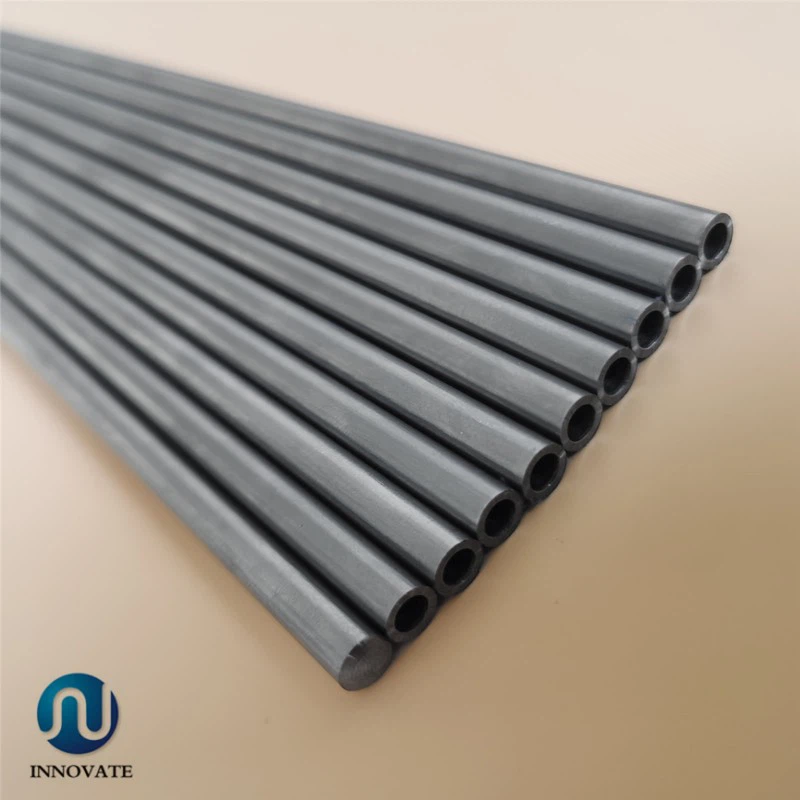
In corrosive environments, the choice of a suitable corrosion - resistant tantalum tube is crucial. Our Corrosion Resistant Tantalum Tube for Chemical Industry is specifically designed to withstand the harsh chemical conditions commonly encountered in the chemical industry. By using the right tube in a corrosive environment, we can prevent corrosion - induced fatigue and extend the tube's service life.
Monitoring and Maintenance
Regular monitoring and maintenance are essential for ensuring the long - term performance and fatigue life of tantalum tubes. Non - destructive testing techniques, such as ultrasonic testing and eddy - current testing, can be used to detect the presence of cracks or other defects in the tubes before they lead to failure.
Visual inspections should also be conducted regularly to check for signs of corrosion, wear, or deformation. Any abnormalities should be addressed promptly to prevent further damage.
In addition to inspections, proper maintenance procedures should be followed. This may include cleaning the tubes to remove any contaminants, lubricating moving parts, and tightening connections. By keeping the tubes in good condition, we can minimize the risk of fatigue failure.
Conclusion
Increasing the fatigue life of tantalum tubes requires a comprehensive approach that encompasses material selection, surface treatment, design optimization, operating conditions management, and monitoring and maintenance. At our company, we are committed to providing our customers with high - quality tantalum tubes and expert advice to help them maximize the performance and service life of their equipment.
If you're interested in learning more about our tantalum tubes or have specific requirements for your application, we invite you to contact us for a detailed discussion. Our team of experts is ready to assist you in finding the best solutions for your needs. Whether you're in the chemical industry, electronics, or any other field that requires high - performance tantalum tubes, we're here to support you.
References
- ASM Handbook Volume 19: Fatigue and Fracture. ASM International.
- "Corrosion Resistance of Tantalum and Its Alloys" by R. Winston Revie.
- "Mechanical Behavior of Materials" by Norman E. Dowling.