

Hey there! As a molybdenum rod supplier, I've been getting a lot of questions lately about how to measure the adhesion property of a molybdenum rod. So, I thought I'd share some insights on this topic.
First off, why is measuring the adhesion property of a molybdenum rod so important? Well, molybdenum rods are used in a wide range of applications, from electronics to aerospace. In many of these applications, the adhesion of the rod to other materials is crucial. For example, in electronic devices, a good adhesion between the molybdenum rod and the substrate can ensure proper electrical conductivity and stability. In aerospace, it can affect the structural integrity of components.
Now, let's dive into the methods for measuring the adhesion property of a molybdenum rod.
1. Scratch Test
One of the most common methods is the scratch test. It's a relatively simple and straightforward way to get an idea of the adhesion strength. Here's how it works:
You use a sharp indenter, like a diamond tip, and apply a gradually increasing load while moving it across the surface of the molybdenum rod. As you do this, you're looking for signs of delamination or cracking. The load at which the coating or the adhered layer starts to fail is a measure of the adhesion strength.
The advantage of the scratch test is that it's quick and can give you a rough estimate of the adhesion. However, it has some limitations. The results can be affected by factors like the surface roughness of the rod and the geometry of the indenter.
2. Pull - off Test
The pull - off test is another popular method. In this test, you attach a dollop or a stud to the surface of the molybdenum rod using an adhesive. Then, you use a special device to pull the stud perpendicular to the surface of the rod until the adhered layer separates. The force required to pull off the stud is measured, and this force is directly related to the adhesion strength.
This method is more accurate than the scratch test in some cases, especially when you want to know the actual force needed to break the adhesion. But it's also more time - consuming and requires more specialized equipment.
3. Shear Test
The shear test is used to measure the adhesion strength in a different way. Instead of pulling the adhered layer perpendicular to the surface, you apply a force parallel to the surface. You place the molybdenum rod in a fixture and then use a machine to apply a shear force until the adhesion fails.
This test is useful when the application involves forces acting parallel to the surface of the rod. For example, in some mechanical components, the molybdenum rod may experience shear forces during operation.
Factors Affecting Adhesion
Before we move on, it's important to understand the factors that can affect the adhesion property of a molybdenum rod.
- Surface Preparation: A clean and properly prepared surface is crucial for good adhesion. Any contaminants, like oil, grease, or oxide layers, can reduce the adhesion strength. So, before applying any coating or bonding the rod to another material, it's essential to clean and roughen the surface if necessary.
- Coating Material: The type of coating or the material that the molybdenum rod is adhered to plays a big role. Different materials have different chemical and physical properties, which can affect how well they bond to the molybdenum rod.
- Temperature and Environment: High temperatures can cause thermal expansion and contraction, which may lead to stress in the adhered layer and reduce the adhesion. Also, exposure to harsh chemicals or corrosive environments can degrade the adhesion over time.
Our Molybdenum Rods
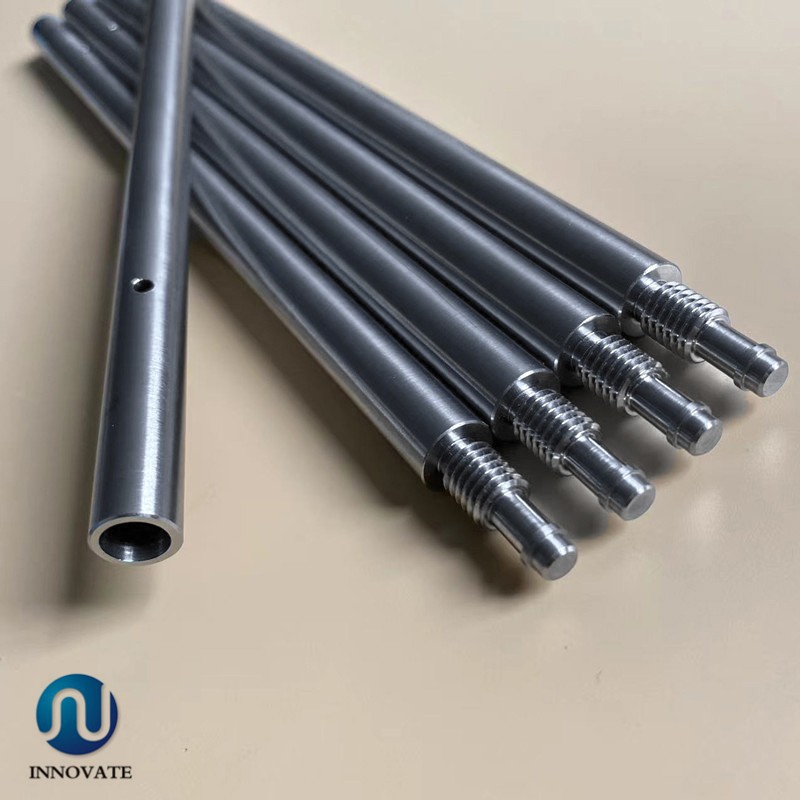
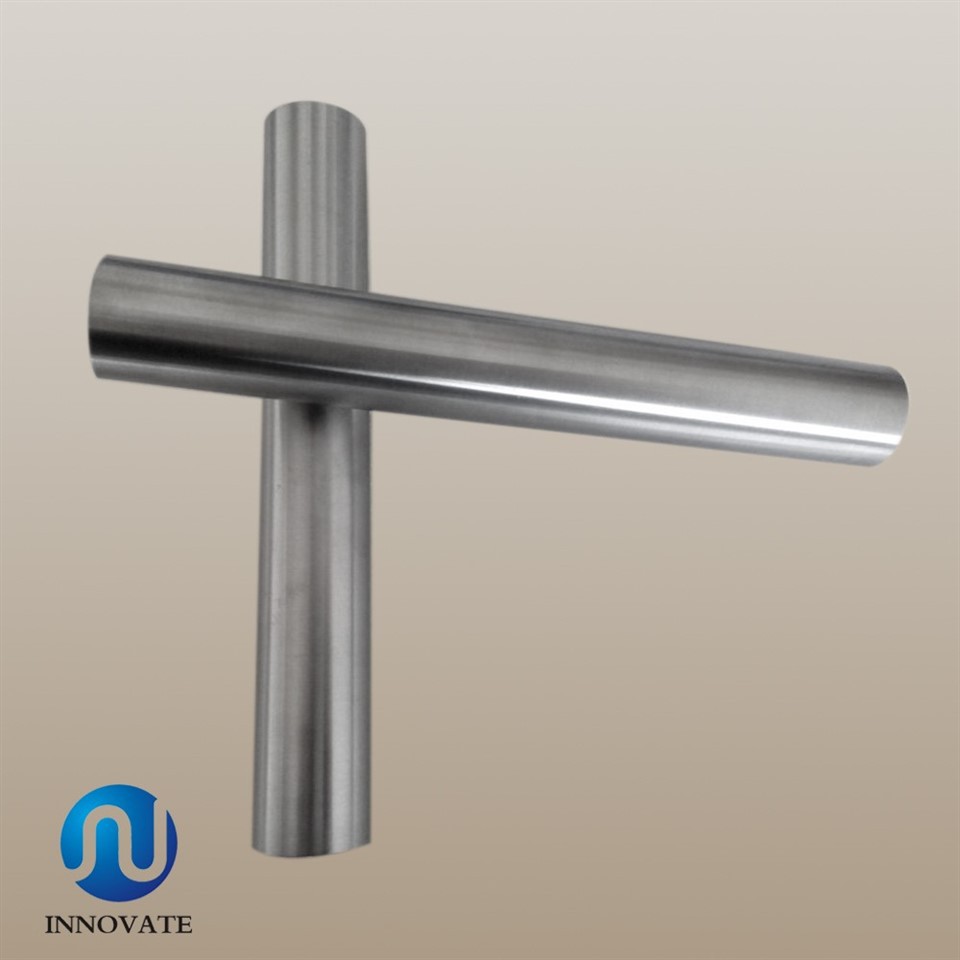
At our company, we offer a variety of high - quality molybdenum rods. Check out our 99.99% Pure Molybdenum Rod, which is known for its excellent purity and performance. We also have the MO1 Polished Molybdenum Rod, which has a smooth surface finish, making it suitable for applications where surface quality is important. And if you need a rod that can withstand high temperatures, our High Temperature Resistant MO1 Molybdenum Rod is the perfect choice.
Conclusion
Measuring the adhesion property of a molybdenum rod is an important step in ensuring its performance in various applications. By using methods like the scratch test, pull - off test, and shear test, you can get a good understanding of the adhesion strength. And by considering factors like surface preparation, coating material, and the environment, you can improve the adhesion and the overall quality of your products.
If you're interested in purchasing molybdenum rods or have any questions about measuring their adhesion properties, feel free to reach out to us. We're here to help you find the right solution for your needs.
References
- ASTM D3359 - Standard Test Methods for Measuring Adhesion by Tape Test
- ISO 4624 - Paints and varnishes -- Pull - off test for adhesion