

Hey there! As a molybdenum rod supplier, I often get asked about how to measure the impact resistance of a molybdenum rod. It's a crucial aspect, especially when you're using these rods in high - stress applications. So, let's dive right into it.
First off, why is measuring the impact resistance of a molybdenum rod so important? Well, molybdenum rods are used in a variety of industries, like aerospace, electronics, and manufacturing. In these fields, the rods might face sudden impacts, and if they can't withstand them, it could lead to equipment failure, production delays, and even safety hazards.
Understanding Impact Resistance
Before we get into the measurement methods, let's understand what impact resistance means. Impact resistance is the ability of a material to absorb energy when it's hit by an external force without breaking or deforming permanently. For molybdenum rods, this is super important because they're often used in environments where they might experience shock loads.
Methods for Measuring Impact Resistance
Charpy Impact Test
One of the most common methods to measure the impact resistance of a molybdenum rod is the Charpy impact test. Here's how it works:
We take a small sample of the molybdenum rod, usually in a specific size and shape. The sample is notched in the middle. Then, we place it in a Charpy impact testing machine. This machine has a pendulum that swings down and hits the sample at the notched area. The energy absorbed by the sample during the impact is measured.
The higher the energy absorbed, the better the impact resistance of the molybdenum rod. The Charpy test gives us a good idea of how the rod will perform under sudden impact loads. It's a quick and relatively easy test to conduct, and it's widely recognized in the industry.
Izod Impact Test
Another method is the Izod impact test. It's similar to the Charpy test, but there are some differences. In the Izod test, the sample is held vertically, and the pendulum hits the sample from the side. Just like in the Charpy test, the energy absorbed by the sample is measured.
The Izod test is also useful for evaluating the impact resistance of molybdenum rods. It can provide different results compared to the Charpy test because of the different way the sample is loaded. Sometimes, depending on the application, one test might be more relevant than the other.
Drop - Weight Impact Test
The drop - weight impact test is a bit different. In this test, we take a full - sized molybdenum rod or a large sample. We drop a weight from a certain height onto the rod. The height and the weight of the object are carefully chosen based on the expected impact loads in the real - world application.
We then observe how the rod responds to the impact. We look for signs of cracking, deformation, or breakage. This test gives us a more realistic idea of how the rod will perform in actual use because it uses a full - sized or large sample.
Factors Affecting Impact Resistance
Material Purity
The purity of the molybdenum in the rod can have a big impact on its impact resistance. A 99.99% Pure Molybdenum Rod is likely to have better impact resistance compared to a rod with lower purity. Impurities in the molybdenum can create weak points in the material, making it more likely to break under impact.
Heat Treatment
Heat treatment is another important factor. Proper heat treatment can improve the impact resistance of a molybdenum rod. By heating and cooling the rod in a controlled way, we can change its microstructure. A well - heat - treated rod will have a more uniform and stronger structure, which can better withstand impact loads.
Rod Dimensions
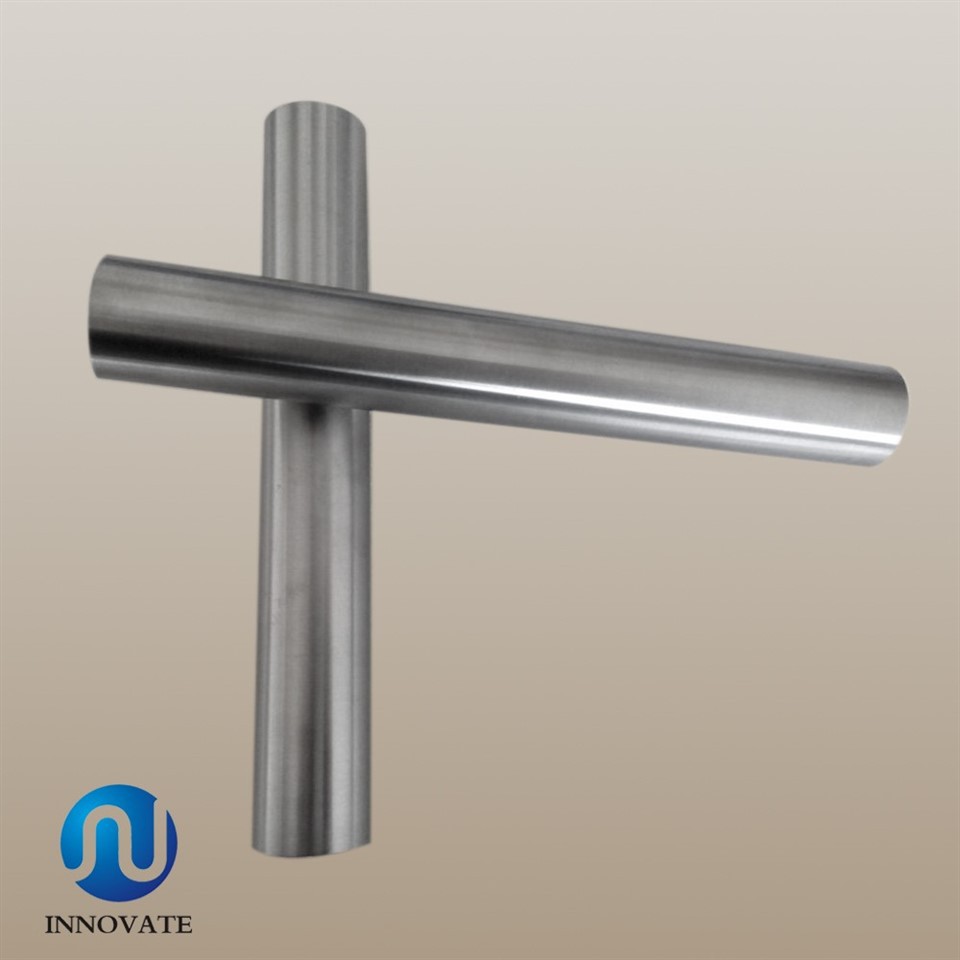
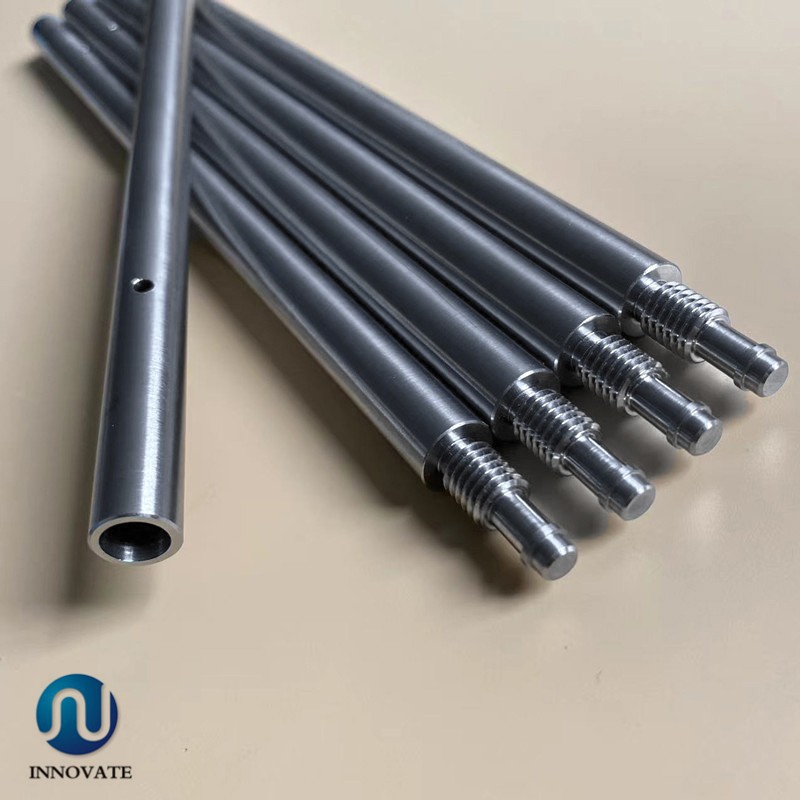
The dimensions of the molybdenum rod also matter. A thicker rod might have better impact resistance than a thinner one because it has more material to absorb the energy. However, the length and the shape of the rod can also affect how it responds to impact. For example, a long and thin rod might be more likely to bend under impact compared to a short and thick one.
Our Molybdenum Rods and Impact Resistance
At our company, we take impact resistance very seriously. We offer a range of high - quality molybdenum rods, like the MO1 Polished Molybdenum Rod and the High Temperature Resistant MO1 Molybdenum Rod.
We use advanced manufacturing processes to ensure that our rods have excellent impact resistance. Our quality control team conducts regular impact tests on our products to make sure they meet the highest standards. Whether you need a rod for a high - stress aerospace application or a more general manufacturing use, we can provide you with a molybdenum rod that will perform well under impact.
Importance of Accurate Measurement
Accurately measuring the impact resistance of molybdenum rods is crucial for both us as suppliers and you as customers. For us, it helps us ensure that we're producing high - quality products. We can use the test results to improve our manufacturing processes and make our rods even better.
For you, it means that you can make more informed decisions when choosing a molybdenum rod for your application. You can be confident that the rod you're buying will be able to withstand the impact loads it will face in your specific environment.
Conclusion
Measuring the impact resistance of a molybdenum rod is a complex but important process. There are several methods available, like the Charpy, Izod, and drop - weight impact tests. Factors such as material purity, heat treatment, and rod dimensions can all affect the impact resistance.
At our company, we're committed to providing you with molybdenum rods that have excellent impact resistance. If you're in the market for molybdenum rods and want to learn more about their impact resistance or discuss your specific requirements, don't hesitate to reach out. We're here to help you find the perfect solution for your needs.
References
- "Materials Science and Engineering: An Introduction" by William D. Callister Jr. and David G. Rethwisch
- Industry standards and guidelines related to impact testing of metals.