

Hey there! I'm a supplier of tantalum tubes, and I know how frustrating it can be when these tubes crack. Tantalum tubes are super useful in many industries, especially in the chemical industry because of their amazing corrosion resistance. You can check out Corrosion Resistant Tantalum Tube for Chemical Industry to get more info on that.
So, let's dive into how we can prevent these tantalum tubes from cracking.
Understanding Tantalum Tubes
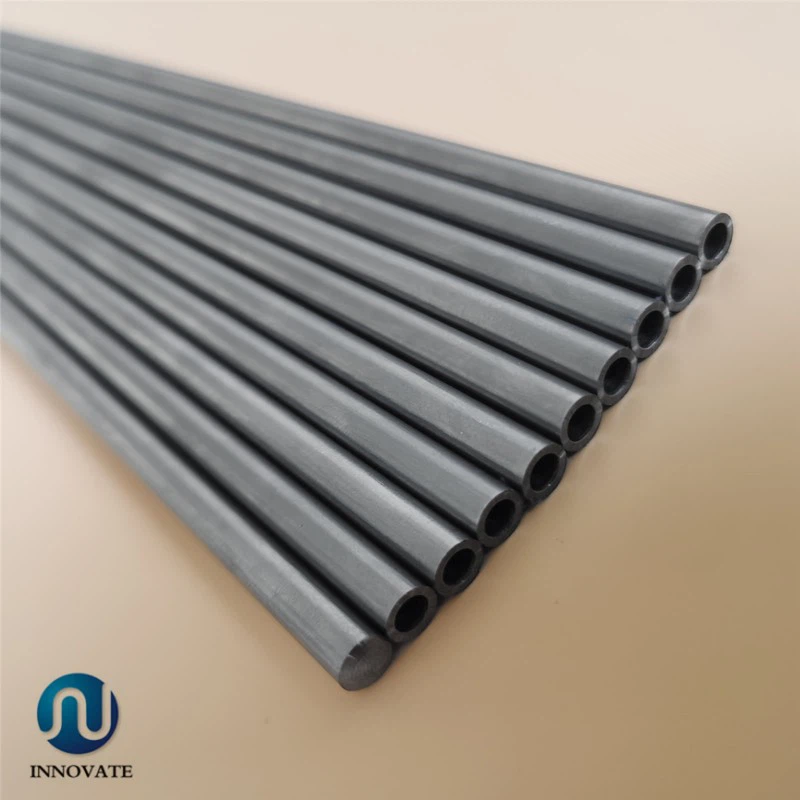
First off, let's talk a bit about what tantalum tubes are. Tantalum is a rare, hard, blue-gray metal. Tantalum tubes are made from this metal and are known for their high melting point, excellent corrosion resistance, and good ductility. They're used in all sorts of applications, like in chemical processing, electronics, and even in some medical devices.
But, like any material, tantalum tubes can crack. Cracking can be a real headache because it can lead to leaks, equipment failure, and extra costs for replacement and repairs.
Causes of Cracking in Tantalum Tubes
Before we can prevent cracking, we need to know what causes it. There are a few main reasons why tantalum tubes might crack.
Thermal Stress
One big cause is thermal stress. When tantalum tubes are exposed to rapid temperature changes, they expand and contract. If this happens too quickly or too often, it can create stress in the material, which can lead to cracking. For example, in a chemical process where the temperature fluctuates a lot, the tube might go through a lot of expansion and contraction cycles.
Mechanical Stress
Mechanical stress is another culprit. This can happen when the tube is bent, twisted, or compressed too much. Maybe during installation, if the tube isn't handled carefully, it can get damaged. Or, if there's a lot of vibration in the equipment where the tube is installed, that can also cause mechanical stress over time.
Corrosion
Even though tantalum is known for its corrosion resistance, in some extreme conditions, it can still corrode. Corrosion can weaken the structure of the tube, making it more prone to cracking. For example, in highly acidic or alkaline environments, the surface of the tantalum tube might start to break down.
Hydrogen Embrittlement
Hydrogen embrittlement is a less well - known but still important cause. When tantalum is exposed to hydrogen, the hydrogen atoms can diffuse into the metal lattice. This can make the metal more brittle and increase the likelihood of cracking.
Preventive Measures
Proper Installation
First things first, proper installation is key. When installing tantalum tubes, make sure to follow all the manufacturer's guidelines. Use the right tools and techniques. Avoid over - tightening connections, as this can create mechanical stress. Also, make sure the tube is properly supported to prevent bending or sagging.
For example, if you're installing a tantalum tube in a chemical reactor, use appropriate clamps and brackets to hold it in place securely. And when connecting the tube to other parts of the system, use gaskets that are compatible with tantalum to ensure a good seal without causing too much stress.
Temperature Control
To prevent thermal stress, it's crucial to control the temperature around the tantalum tubes. If possible, try to avoid rapid temperature changes. In industrial processes, use insulation to slow down the rate of temperature change. You can also install temperature sensors to monitor the temperature and adjust the heating or cooling systems accordingly.
For instance, in a heat exchanger where tantalum tubes are used, you can use a pre - heating or pre - cooling system to gradually bring the temperature to the desired level, rather than subjecting the tubes to sudden temperature jumps.
Stress Relief
Stress relief treatments can be very effective. After manufacturing or installation, you can heat the tantalum tubes to a specific temperature and hold them there for a certain period of time. This helps to relieve any internal stresses that might have been created during the manufacturing or installation process.
There are different types of stress relief methods, like annealing. Annealing involves heating the tube to a high temperature and then slowly cooling it. This can improve the ductility of the tantalum and reduce the risk of cracking.
Corrosion Protection
Even though tantalum is corrosion - resistant, it's still a good idea to take some extra steps to protect it from corrosion. One way is to use coatings. There are special coatings available that can provide an extra layer of protection against corrosive substances.
Another approach is to control the environment around the tube. For example, in a chemical plant, you can monitor the pH level of the fluids that come into contact with the tantalum tube. If the pH is too extreme, you can adjust it to a more neutral range to reduce the risk of corrosion.
Avoiding Hydrogen Exposure
To prevent hydrogen embrittlement, you need to control the hydrogen environment. In some industrial processes, hydrogen is produced as a by - product. You can use purging systems to remove hydrogen from the area around the tantalum tubes.
You can also use materials that act as hydrogen barriers. For example, some polymers can be used as coatings or liners to prevent hydrogen from reaching the tantalum surface.
Quality Assurance
As a tantalum tube supplier, I always make sure to provide high - quality products. We have strict quality control measures in place during the manufacturing process. We test the tubes for various properties, like hardness, ductility, and corrosion resistance.
Before shipping the tubes to our customers, we also do a final inspection to make sure there are no visible defects. This helps to ensure that the tubes we supply are less likely to crack during use.
Maintenance and Monitoring
Regular maintenance and monitoring are essential for preventing tantalum tube cracking. You should inspect the tubes regularly for any signs of damage, like cracks, corrosion, or deformation.
Use non - destructive testing methods, like ultrasonic testing or X - ray inspection, to detect any internal defects that might not be visible to the naked eye.
If you notice any signs of damage, take action immediately. You might need to replace the tube or perform some repairs.
Conclusion
Preventing tantalum tubes from cracking is all about understanding the causes and taking the right preventive measures. By following proper installation procedures, controlling the temperature and stress, protecting against corrosion and hydrogen embrittlement, and doing regular maintenance and monitoring, you can significantly reduce the risk of cracking.
If you're in the market for high - quality tantalum tubes or need more advice on preventing cracking, don't hesitate to reach out. We're here to help you get the most out of your tantalum tubes.
References
- "Tantalum and its Alloys" - A technical handbook on tantalum properties and applications.
- "Corrosion Science" journals for research on corrosion prevention in tantalum.
- Manufacturer's guidelines for tantalum tube installation and maintenance.