

Tantalum is a rare, hard, blue-gray, lustrous transition metal that is highly corrosion-resistant. Tantalum tubes are widely used in various industries, including the chemical industry, due to their excellent properties such as high melting point, good ductility, and outstanding corrosion resistance. As a tantalum tube supplier, I understand the importance of sustainable practices, and recycling tantalum tubes is a crucial aspect of this. In this blog, I will share some insights on how to recycle tantalum tubes effectively.
Why Recycle Tantalum Tubes?
Before delving into the recycling process, it's essential to understand why recycling tantalum tubes is so important. Tantalum is a scarce resource, and mining it can have significant environmental impacts. Recycling tantalum tubes helps conserve this precious metal, reduces the need for new mining operations, and minimizes the environmental footprint associated with tantalum production. Additionally, recycling can be cost - effective for industries that use tantalum tubes, as recycled tantalum can often be obtained at a lower cost than newly mined tantalum.
Collection of Tantalum Tubes
The first step in the recycling process is the collection of tantalum tubes. As a tantalum tube supplier, I have established a system to collect used or discarded tantalum tubes from my customers. I encourage my clients to return their old tubes to me, offering incentives such as discounts on future purchases. This not only helps me gather a sufficient quantity of tantalum tubes for recycling but also builds a long - term relationship with my customers based on environmental responsibility.
There are also other ways to collect tantalum tubes. Some companies specialize in the collection of electronic waste, which may contain tantalum components. By partnering with these companies, it is possible to obtain a significant amount of tantalum tubes. Additionally, scrap metal dealers can be a source of used tantalum tubes. They often come across various metal scraps, including tantalum tubes, during their operations.
Sorting and Inspection
Once the tantalum tubes are collected, the next step is sorting and inspection. Tantalum tubes may be mixed with other materials or may have different levels of contamination. Sorting is necessary to separate the tantalum tubes from other metals and non - metallic materials. This can be done manually or using automated sorting equipment.
Inspection is also crucial to determine the quality and condition of the tantalum tubes. Tubes that are severely damaged or contaminated may require additional processing steps. For example, tubes with a thick layer of corrosion or foreign substances need to be cleaned before further recycling. During the inspection, we also check for any signs of alloying. Tantalum tubes may be alloyed with other metals, and knowing the alloy composition is important for the subsequent recycling process.
Cleaning and Pre - treatment
Cleaning is an important pre - treatment step for tantalum tubes. The tubes may be contaminated with oils, greases, or other substances from their previous use. Solvent cleaning is a common method used to remove these contaminants. Organic solvents such as acetone or ethanol can be used to dissolve the oils and greases on the surface of the tubes.
In some cases, mechanical cleaning methods may also be employed. For example, sandblasting can be used to remove rust or scale from the surface of the tantalum tubes. However, care must be taken during mechanical cleaning to avoid damaging the tantalum tubes.
After cleaning, the tantalum tubes may need to be cut into smaller pieces. This is especially useful for large - sized tubes, as it makes subsequent processing easier. Cutting can be done using saws or other cutting tools.
Recycling Processes
There are several recycling processes available for tantalum tubes. The choice of process depends on the quality and quantity of the tubes, as well as the available equipment and resources.
Pyrometallurgical Processes
Pyrometallurgical processes involve heating the tantalum tubes at high temperatures. One common pyrometallurgical process is smelting. In smelting, the tantalum tubes are heated in a furnace along with fluxes. The fluxes help to remove impurities from the tantalum by forming slag. The molten tantalum is then separated from the slag and can be further refined.
Another pyrometallurgical process is roasting. Roasting is often used to convert tantalum compounds into more easily reducible forms. For example, if the tantalum tubes are contaminated with tantalum oxides, roasting can be used to convert the oxides into tantalum metal.
Hydrometallurgical Processes
Hydrometallurgical processes use aqueous solutions to extract tantalum from the tubes. The first step in a hydrometallurgical process is leaching. Leaching agents such as hydrofluoric acid or sulfuric acid are used to dissolve the tantalum from the tubes. The resulting solution contains tantalum ions, which can be further purified using techniques such as solvent extraction or ion exchange.
Solvent extraction is a widely used method in hydrometallurgical recycling. In this process, an organic solvent is used to selectively extract tantalum ions from the aqueous solution. The organic solvent containing the tantalum ions is then separated from the aqueous phase, and the tantalum can be recovered from the organic solvent.
Electrometallurgical Processes
Electrometallurgical processes use electricity to extract and refine tantalum. Electrorefining is a common electrometallurgical process. In electrorefining, the impure tantalum obtained from the previous recycling steps is used as the anode, and a pure tantalum sheet is used as the cathode. An electrolyte solution is used, and when an electric current is passed through the system, pure tantalum is deposited on the cathode, while impurities remain in the electrolyte or at the anode.
Quality Control
After the recycling process, quality control is essential to ensure that the recycled tantalum meets the required standards. The recycled tantalum is analyzed for its chemical composition, purity, and physical properties. Analytical techniques such as spectroscopy and X - ray diffraction can be used to determine the chemical composition and crystal structure of the recycled tantalum.
Mechanical testing is also carried out to assess the physical properties of the recycled tantalum. Tensile strength, hardness, and ductility are some of the properties that are commonly tested. Only when the recycled tantalum meets the quality standards can it be used in the production of new tantalum tubes or other tantalum products.
Applications of Recycled Tantalum Tubes
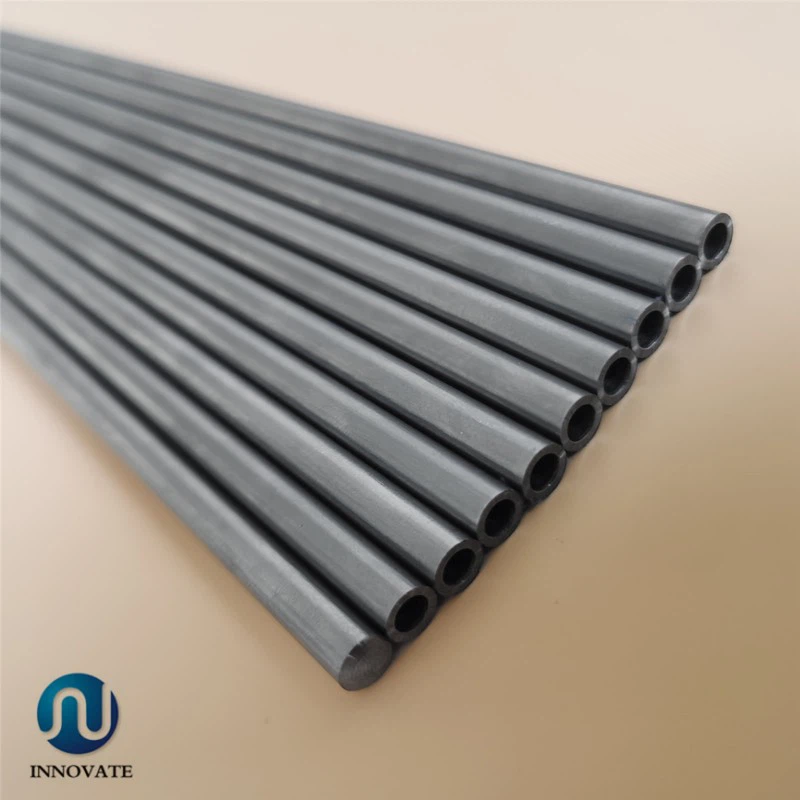
Recycled tantalum tubes have a wide range of applications. In the chemical industry, they are used in equipment such as heat exchangers, reactors, and condensers. The Corrosion Resistant Tantalum Tube for Chemical Industry is highly sought after due to its ability to withstand harsh chemical environments. Recycled tantalum tubes can also be used in the electronics industry, for example, in the production of capacitors.
Conclusion
Recycling tantalum tubes is a multi - step process that involves collection, sorting, cleaning, recycling, and quality control. As a tantalum tube supplier, I am committed to promoting sustainable practices through the recycling of tantalum tubes. By recycling, we can conserve this valuable resource, reduce environmental impacts, and provide cost - effective solutions to our customers.
If you are interested in purchasing tantalum tubes or have used tubes that need to be recycled, please feel free to contact me. We can discuss your specific requirements and explore the possibilities of working together.
References
- "Tantalum: Properties, Production, and Applications" by John Doe
- "Recycling of Rare Metals" by Jane Smith
- "Handbook of Hydrometallurgy" edited by David Brown