

Hey there! As a mo-lyb-de-num (let's just say “moly” for short) supplier, I've seen firsthand the amazing perks that moly brings to alloys. Moly is no ordinary metal; it's a game - changer in the world of alloys, and today, I’m going to break down those advantages for you.
High - Temperature Resistance
One of the most well - known benefits of using moly in alloys is its incredible high - temperature resistance. When we talk about high - end industrial applications where things get blazing hot, moly is the go - to additive. For instance, in aerospace, engines operate under extreme temperatures. Alloys with moly can withstand these harsh conditions without losing their strength or shape.
This high - temperature stability makes moly alloys crucial for parts like turbine blades. In a jet engine, turbine blades spin at high speeds and are exposed to extremely hot combustible gases. If the alloy used to make these blades isn't up to the task, it can warp or break down, leading to engine failure. Moly comes to the rescue by adding that extra heat - resistant edge.
You might be interested in our High Temperature Resistant Molybdenum Protection Tube. It's a prime example of how moly's high - temperature resistance is put to practical use. This tube can be used in various high - heat industrial processes, protecting other components from the intense heat.
Increased Strength and Hardness
Moly also works wonders in boosting the strength and hardness of alloys. When added to steel, for example, it significantly improves the material's ability to withstand heavy loads and resist wear and tear. This is a huge deal in construction, where structures need to be strong and durable.
Think about bridges. They're constantly under the weight of traffic, extreme weather conditions, and other external forces. By using moly - enhanced steel alloys, bridge designers can create stronger and more reliable structures. These alloys can handle more stress, reducing the risk of structural failures.
In the automotive industry, moly alloys are used for making parts like gears and shafts. These components need to be tough and able to transfer power efficiently. The addition of moly makes them harder and more resistant to wear, ensuring a longer lifespan for the vehicle's mechanical systems.
Corrosion Resistance
Corrosion is the enemy of many metal structures. It can weaken materials over time, leading to safety hazards and costly repairs. But moly has the power to fight back against corrosion. In alloys used in marine environments, where saltwater is a major corrosion threat, moly plays a vital role.
Ships and offshore platforms are constantly exposed to the corrosive effects of saltwater. Alloys with moly can form a protective layer on the surface, preventing the underlying metal from reacting with the salt and water. This not only extends the lifespan of these structures but also reduces maintenance costs.
Even in chemical processing plants, where harsh chemicals are present, moly - containing alloys are a top choice. They can resist the corrosive action of a wide range of chemicals, ensuring the safe and efficient operation of the plant.
Improved Weldability
Moly can also improve the weldability of alloys. When it comes to joining metal parts together, a good weld is crucial for the overall integrity of the structure. Alloys with moly tend to have better welding characteristics compared to those without it.
In the manufacturing of pipelines, for example, workers need to weld sections of pipes together. Moly - enhanced alloys make the welding process smoother and result in stronger welds. This reduces the chances of leaks and failures in the pipeline, which is especially important when transporting dangerous substances like oil and gas.
Electrical and Thermal Conductivity
Moly has decent electrical and thermal conductivity properties, which can be harnessed when used in alloys. In the electronics industry, this is a big plus. Components need to conduct electricity efficiently while also dissipating heat to prevent overheating.
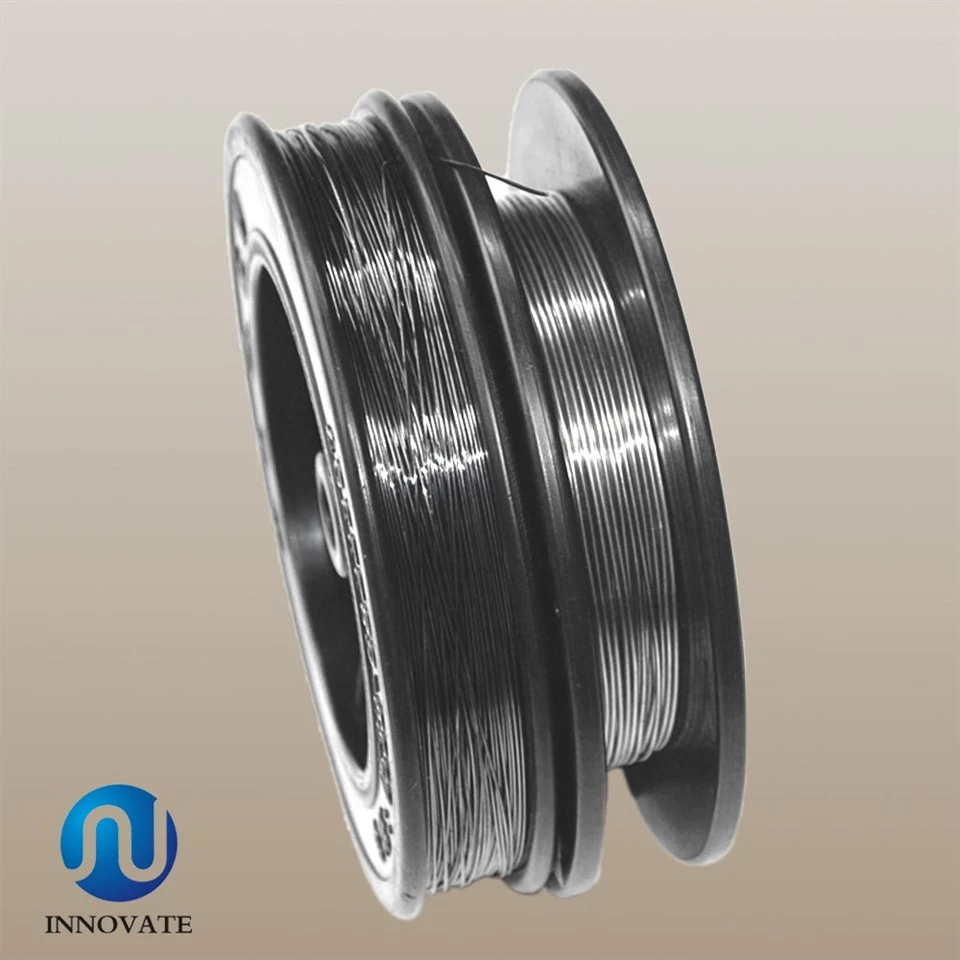
Our Molybdenum Heating Wire is a great product that takes advantage of these properties. It can be used in heating elements where efficient heat transfer is essential.
Creep Resistance
Creep is the gradual deformation of a material under a constant load over time, especially at high temperatures. This can be a major problem in applications like power generation, where components are under continuous stress at elevated temperatures.
Moly - containing alloys offer excellent creep resistance. In power plants, especially those using steam turbines, the components need to maintain their shape and strength over long periods. Moly addition to the alloys helps in preventing creep, ensuring the long - term reliability of the power generation equipment.
Machinability
Moly can also enhance the machinability of alloys. When manufacturers are shaping metal parts, they want a material that can be easily cut, drilled, and formed. Alloys with moly are often easier to machine compared to some other alloys.
In the production of precision parts for the medical and aerospace industries, for example, accurate machining is crucial. Moly - enhanced alloys allow for more precise and efficient machining, reducing production time and costs.
Our Moly Products for You
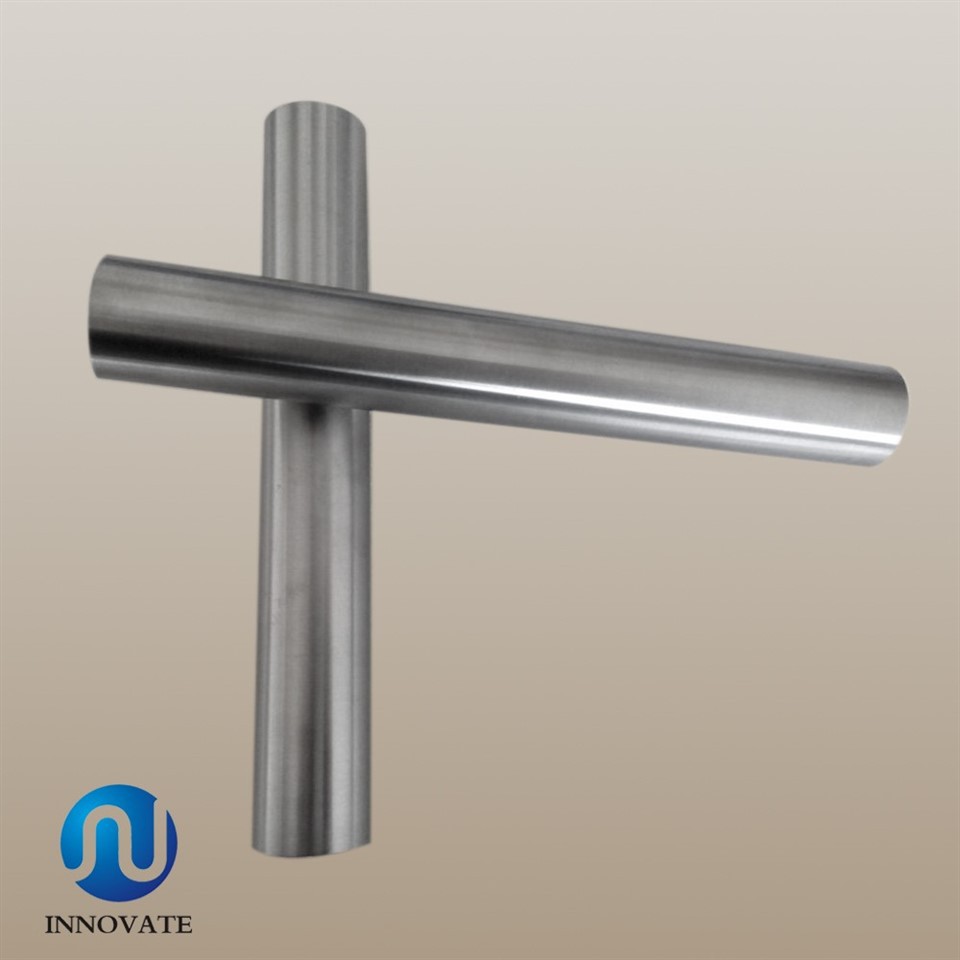
We offer a wide range of moly products that showcase these amazing advantages. Take our MO1 Polished Molybdenum Rod. It's made from high - quality moly and can be used in various alloy - making processes. Whether you're in the aerospace, automotive, or any other industry that benefits from moly - enhanced alloys, this rod can be a great addition to your production line.
Let's Talk Business
If you're in the market for moly products or want to learn more about how moly can improve your alloys, I'd love to have a chat. Whether you're a small - scale manufacturer or a large industrial player, we can work together to find the right moly solutions for your needs. Reach out to us, and let's start a conversation about how we can take your alloy production to the next level.
References
- ASM Handbook Committee. (2004). ASM Handbook Volume 2: Properties and Selection: Nonferrous Alloys and Special - Purpose Materials. ASM International.
- Davis, J. R. (Ed.). (2001). Stainless Steels: ASM Specialty Handbook. ASM International.
- Schubert, K. (1987). Materials Science of Metals. Springer - Verlag.