

What is the fatigue strength of zirconium wire?
As a zirconium wire supplier, I often encounter questions from customers regarding the properties of our products, and one of the most frequently asked questions is about the fatigue strength of zirconium wire. Fatigue strength is a critical property for many applications, especially those involving cyclic loading or repeated stress. In this blog post, I will delve into the concept of fatigue strength, discuss the factors that affect the fatigue strength of zirconium wire, and explain why it matters in various industries.
Understanding Fatigue Strength
Fatigue strength refers to the maximum stress that a material can withstand for a specified number of cycles without failure. When a material is subjected to cyclic loading, such as repeated bending, tension, or compression, it may develop cracks over time, even if the applied stress is below its ultimate tensile strength. These cracks can propagate and eventually lead to the failure of the material. Fatigue strength is a measure of a material's resistance to this type of failure.

The fatigue strength of a material is typically determined through fatigue testing, which involves subjecting specimens to cyclic loading until they fail. The results of these tests are used to generate an S-N curve, which plots the applied stress (S) against the number of cycles to failure (N). The fatigue strength is then defined as the stress level at which the material can withstand a specified number of cycles, usually 10^7 cycles for metals.
Factors Affecting the Fatigue Strength of Zirconium Wire
Several factors can affect the fatigue strength of zirconium wire, including its chemical composition, microstructure, surface finish, and the type of loading it is subjected to.
Chemical Composition
The chemical composition of zirconium wire can have a significant impact on its fatigue strength. Impurities and alloying elements can alter the material's crystal structure and mechanical properties, which can affect its resistance to fatigue. For example, the presence of certain impurities, such as oxygen and nitrogen, can reduce the fatigue strength of zirconium wire by promoting the formation of brittle phases and increasing the likelihood of crack initiation. On the other hand, alloying elements, such as niobium and tin, can improve the fatigue strength of zirconium wire by enhancing its mechanical properties and resistance to corrosion.
Microstructure
The microstructure of zirconium wire, including its grain size, shape, and orientation, can also affect its fatigue strength. A fine-grained microstructure generally provides better fatigue resistance than a coarse-grained microstructure because it can impede the propagation of cracks. Additionally, the presence of certain microstructural features, such as twins and dislocations, can affect the material's ability to deform and absorb energy during cyclic loading, which can impact its fatigue strength.
Surface Finish
The surface finish of zirconium wire can have a significant impact on its fatigue strength. Surface defects, such as scratches, pits, and notches, can act as stress concentrators and promote the initiation of cracks. Therefore, a smooth and defect-free surface finish is essential for maximizing the fatigue strength of zirconium wire. Additionally, surface treatments, such as shot peening and electroplating, can be used to improve the surface hardness and residual stress distribution of zirconium wire, which can enhance its fatigue resistance.
Type of Loading
The type of loading that zirconium wire is subjected to can also affect its fatigue strength. Different types of loading, such as tension, compression, bending, and torsion, can induce different stress states and deformation mechanisms in the material, which can impact its fatigue behavior. For example, cyclic bending loading can cause the outer surface of the wire to experience tensile stresses, while the inner surface experiences compressive stresses. This can lead to the formation of cracks on the outer surface of the wire, which can propagate and eventually cause failure.
Importance of Fatigue Strength in Various Industries
The fatigue strength of zirconium wire is an important property in many industries, including aerospace, nuclear, and medical.
Aerospace Industry
In the aerospace industry, zirconium wire is used in a variety of applications, such as aircraft engines, landing gear, and structural components. These applications often involve cyclic loading and high-stress environments, which require materials with high fatigue strength and excellent resistance to corrosion. Zirconium wire's high fatigue strength and corrosion resistance make it an ideal material for these applications, as it can withstand the repeated stress and harsh conditions encountered in aerospace environments.

Nuclear Industry
In the nuclear industry, zirconium wire is used in the construction of nuclear fuel rods and reactor components. These applications require materials with high corrosion resistance, low neutron absorption cross-section, and excellent mechanical properties, including high fatigue strength. Zirconium wire's unique combination of properties makes it an ideal material for these applications, as it can withstand the high temperatures, pressures, and radiation levels encountered in nuclear reactors.
Medical Industry
In the medical industry, zirconium wire is used in a variety of applications, such as dental implants, orthopedic devices, and surgical instruments. These applications often involve cyclic loading and repeated use, which require materials with high fatigue strength and excellent biocompatibility. Zirconium wire's high fatigue strength and biocompatibility make it an ideal material for these applications, as it can withstand the repeated stress and contact with living tissues without causing adverse reactions.
Our Zirconium Wire Products
At our company, we offer a wide range of zirconium wire products with different specifications and properties to meet the diverse needs of our customers. Our zirconium wire is made from high-quality zirconium materials and undergoes strict quality control measures to ensure its high purity, excellent mechanical properties, and consistent performance.
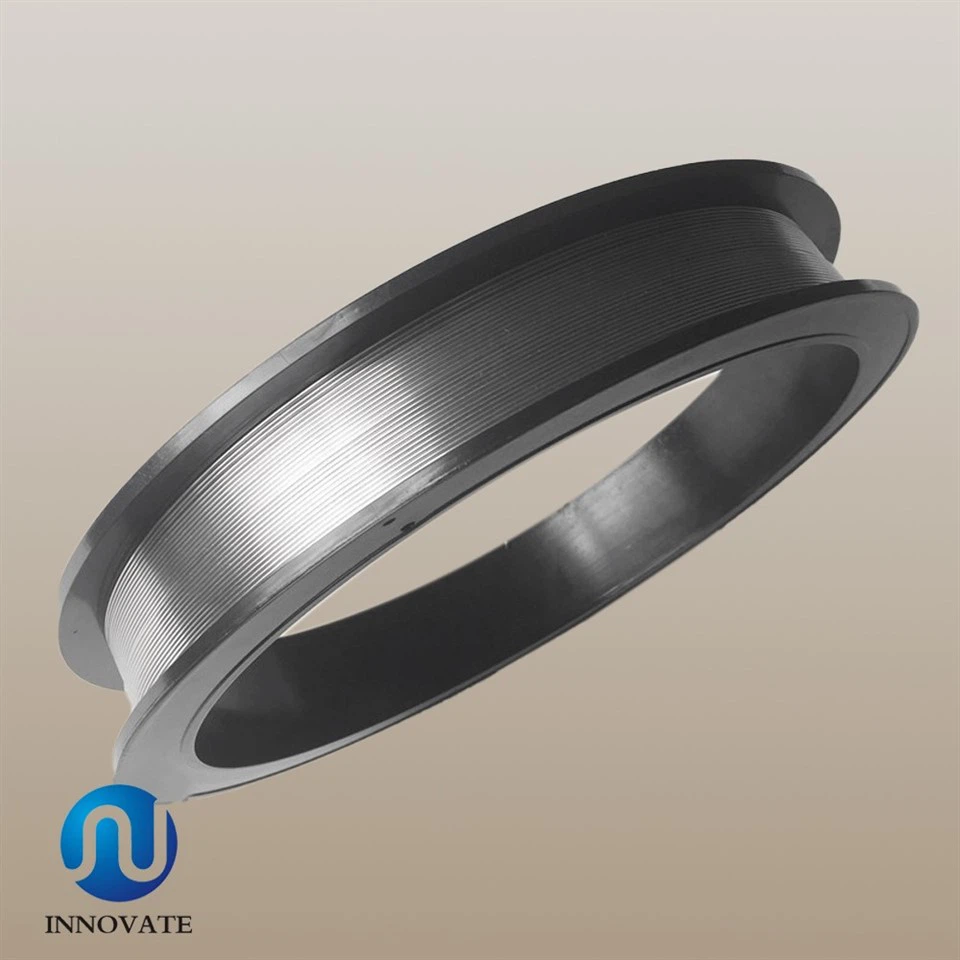
One of our popular products is the 60702 Thin Zirconium Wire. This thin zirconium wire is available in various diameters and lengths and is suitable for a wide range of applications, including aerospace, nuclear, and medical. It has excellent fatigue strength, corrosion resistance, and biocompatibility, making it an ideal material for demanding applications.
Contact Us for Procurement
If you are interested in purchasing zirconium wire or have any questions about our products, please feel free to contact us. Our team of experts is available to provide you with detailed information about our products, including their properties, specifications, and applications. We can also help you select the right zirconium wire product for your specific needs and provide you with a competitive quote.
We look forward to working with you and providing you with high-quality zirconium wire products and excellent customer service.
References
- ASM Handbook, Volume 19: Fatigue and Fracture. ASM International, 1996.
- Callister, W. D., Jr. Materials Science and Engineering: An Introduction. John Wiley & Sons, 2007.
- Dieter, G. E. Mechanical Metallurgy. McGraw-Hill, 1986.