

Zirconium wire is a versatile material widely used in various industries due to its unique properties such as high corrosion resistance, low neutron absorption cross - section, and excellent mechanical strength. One of the key aspects that often comes under scrutiny when dealing with zirconium wire is its hafnium content. As a zirconium wire supplier, I am well - versed in the importance of hafnium content and its implications for different applications.
The Natural Association of Hafnium and Zirconium
Zirconium and hafnium are two chemically similar elements that occur together in nature. In zirconium ores, hafnium is present as an impurity. The reason for this co - occurrence lies in their similar chemical properties. Both elements have the same number of valence electrons and similar ionic radii, which causes them to substitute for each other in crystal structures during the formation of minerals.
Typically, the hafnium content in natural zirconium ores ranges from about 0.5% to 2% by weight. This percentage can vary depending on the source of the ore. For instance, some ores mined from certain regions may have a relatively higher hafnium content, while others may have a lower one. When these ores are processed to obtain zirconium metal and subsequently made into zirconium wire, the hafnium content needs to be carefully controlled.
Significance of Hafnium Content in Zirconium Wire
The hafnium content in zirconium wire can have a significant impact on its performance in different applications.
Nuclear Industry
In the nuclear industry, zirconium is highly valued for its low neutron absorption cross - section. However, hafnium has a very high neutron absorption cross - section. Even a small amount of hafnium in zirconium wire used in nuclear reactors can significantly affect the reactor's efficiency and safety. For nuclear applications, the hafnium content in zirconium wire must be extremely low, often less than 0.01%. This requires a highly sophisticated separation process to remove hafnium from zirconium.
Non - Nuclear Applications
In non - nuclear applications such as chemical processing, aerospace, and electronics, the requirements for hafnium content are less stringent. In chemical processing, zirconium wire's corrosion resistance is the primary concern. While hafnium also has good corrosion resistance, its presence in zirconium wire may not necessarily enhance or detract from this property significantly. In aerospace applications, zirconium wire's mechanical strength and light weight are important. A small amount of hafnium may not have a major impact on these properties. However, for some high - performance applications, even a slight variation in the hafnium content can affect the wire's performance.
Separation Processes to Control Hafnium Content
As a zirconium wire supplier, we employ advanced separation processes to control the hafnium content in our products. One of the most common methods is the solvent extraction process. In this process, a mixture of zirconium and hafnium is dissolved in an appropriate solvent, and then a specific extractant is added. The extractant selectively binds to either zirconium or hafnium, allowing for their separation.
Another method is the distillation process. Zirconium and hafnium compounds have slightly different boiling points. By carefully controlling the temperature and pressure during distillation, it is possible to separate the two elements. These processes are complex and require strict quality control measures to ensure that the desired hafnium content is achieved.

Our Product Range and Hafnium Content
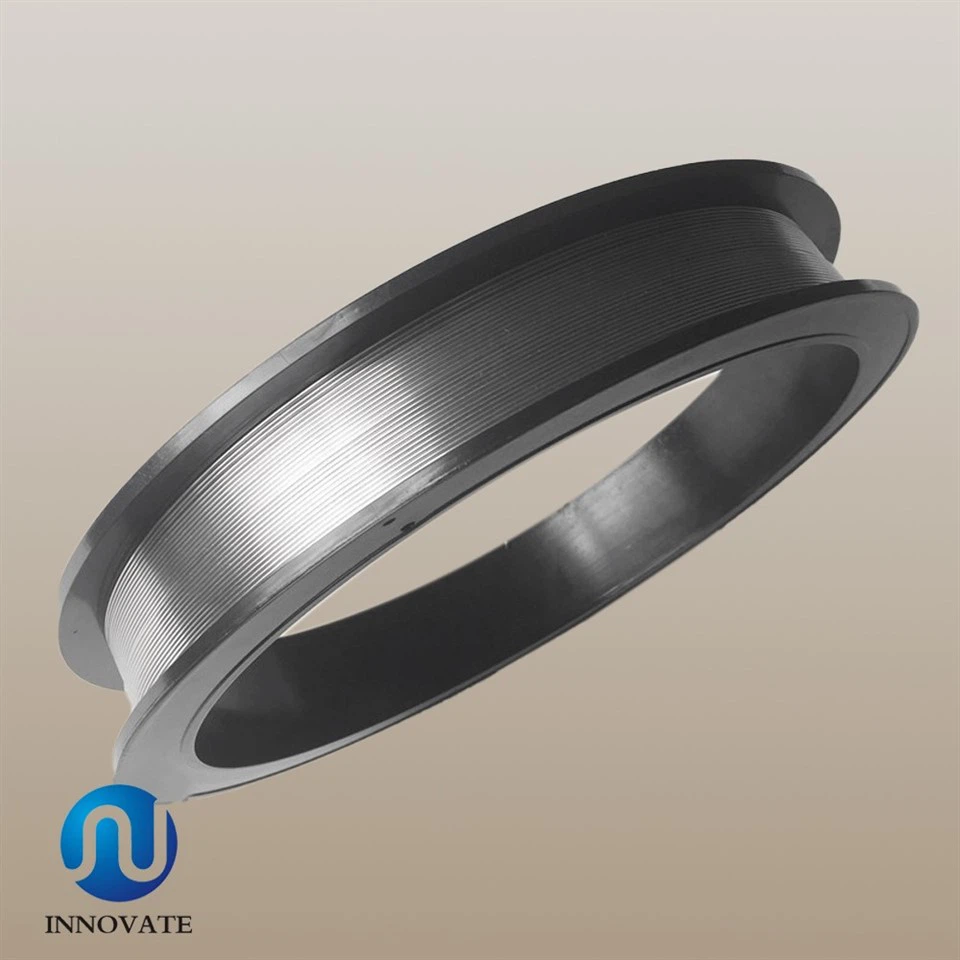
We offer a wide range of zirconium wire products with different hafnium contents to meet the diverse needs of our customers. For example, our 60702 Thin Zirconium Wire is available in various hafnium content specifications. We can provide zirconium wire with a hafnium content as low as 0.01% for nuclear applications and up to 2% for non - critical non - nuclear applications.
Our quality control team conducts regular tests on the hafnium content of our zirconium wire. We use advanced analytical techniques such as inductively coupled plasma mass spectrometry (ICP - MS) to accurately measure the hafnium content. This ensures that our products meet the highest quality standards and the specific requirements of our customers.
Customer Requirements and Hafnium Content
We understand that each customer may have unique requirements regarding the hafnium content in zirconium wire. Some customers may need zirconium wire with a very low hafnium content for high - tech applications, while others may be more concerned with cost - effectiveness and can tolerate a slightly higher hafnium content.
When a customer approaches us, our sales team first tries to understand their specific application and the performance requirements. Based on this information, we recommend the most suitable zirconium wire product with the appropriate hafnium content. We also offer custom - made solutions. If a customer has very specific hafnium content requirements that are not available in our standard product range, we can work with our R & D team to develop a custom - made zirconium wire.
Market Trends and Hafnium Content
The market demand for zirconium wire with specific hafnium content is constantly evolving. In recent years, there has been an increasing demand for zirconium wire with ultra - low hafnium content for the nuclear industry. As more countries invest in nuclear energy, the need for high - quality zirconium wire with strict hafnium content control is expected to grow.
On the other hand, in non - nuclear industries, there is a trend towards more cost - effective solutions. Some customers are willing to accept a slightly higher hafnium content in zirconium wire if it can reduce the cost without significantly affecting the performance. As a supplier, we need to stay updated with these market trends and adjust our product offerings accordingly.
Contact Us for Zirconium Wire Procurement
If you are in the market for zirconium wire and have specific requirements regarding hafnium content, we would be more than happy to assist you. Our team of experts can provide you with detailed information about our products, the hafnium content specifications, and the best solutions for your applications. Whether you need zirconium wire for nuclear, chemical, aerospace, or electronics applications, we have the right product for you.
Please feel free to contact us to start a procurement discussion. We are committed to providing high - quality zirconium wire products and excellent customer service.
References
- Emsley, J. (2011). "The Elements". Oxford University Press.
- Kirk - Othmer Encyclopedia of Chemical Technology. Wiley.
- ASM Handbook, Volume 2: Properties and Selection: Nonferrous Alloys and Special - Purpose Materials. ASM International.