

Hey there! As a supplier of molybdenum rods, I often get asked about the lubricity of these awesome metal rods. So, let's dive right in and explore what the lubricity of a molybdenum rod actually means.
First off, lubricity refers to a material's ability to reduce friction and wear when in contact with other surfaces. It's like the smoothness factor that helps things glide over each other without getting stuck or causing too much damage. In the case of molybdenum rods, their lubricity plays a crucial role in many industrial applications.
Molybdenum is a super interesting metal. It has some pretty unique properties that contribute to its good lubricity. One of the key factors is its crystal structure. Molybdenum has a hexagonal close - packed (HCP) crystal structure in some of its forms. This structure allows the atoms to slide over each other relatively easily under certain conditions, which is great for reducing friction.
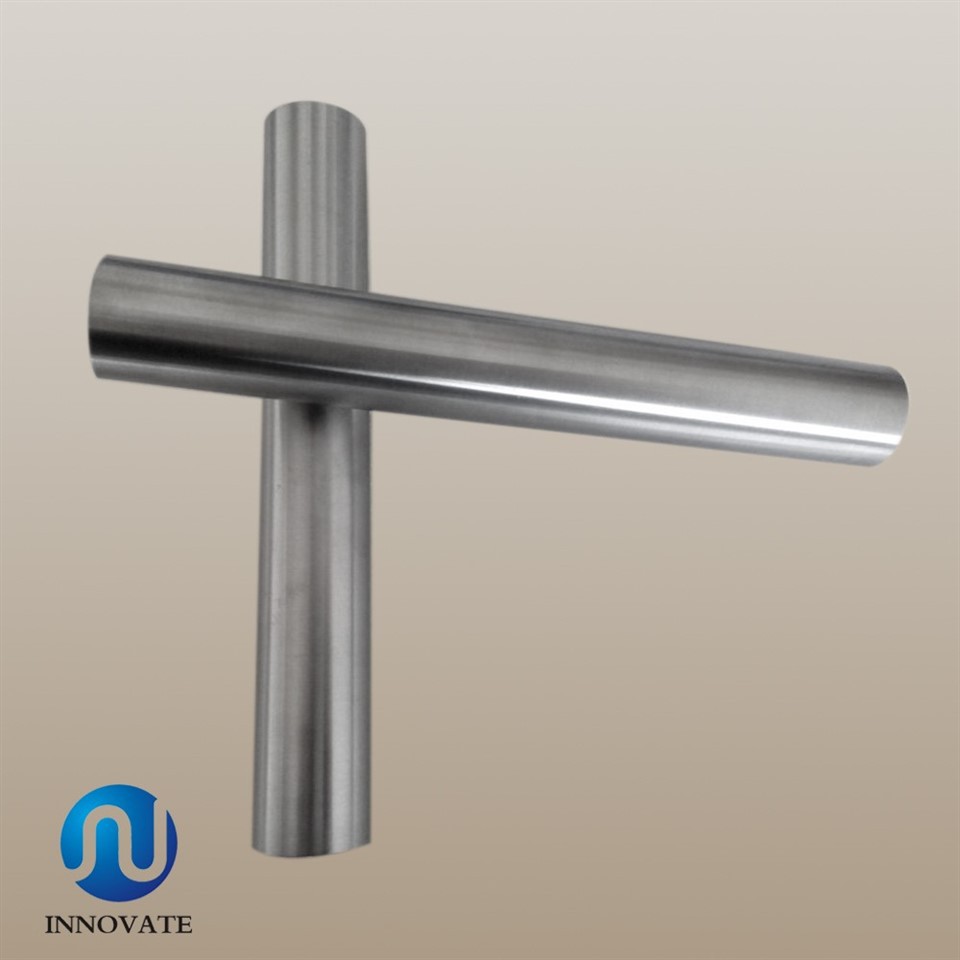
Another important aspect is the surface characteristics of molybdenum rods. When we manufacture molybdenum rods, we can control the surface finish. A smooth surface finish on a molybdenum rod can significantly enhance its lubricity. For example, our MO1 Polished Molybdenum Rod has a highly polished surface. This polished surface reduces the contact area between the rod and other surfaces it comes into contact with, which in turn reduces friction and improves the rod's ability to act as a lubricating element in mechanical systems.
Now, let's talk about the practical applications where the lubricity of molybdenum rods really shines. In high - temperature environments, molybdenum rods are a top choice. You see, molybdenum has excellent high - temperature resistance. Our High Temperature Resistant MO1 Molybdenum Rod can withstand extremely high temperatures without losing its mechanical properties. In engines, for instance, where there are moving parts that generate a lot of heat and friction, molybdenum rods can be used as components. Their lubricity helps to keep the moving parts working smoothly even at high temperatures, reducing wear and tear on the engine and increasing its overall lifespan.
In the aerospace industry, molybdenum rods are also widely used. The lubricity of these rods is essential in aircraft engines and other mechanical systems. With the high - stress and high - speed conditions in aerospace applications, any reduction in friction can lead to significant improvements in performance and fuel efficiency. The smooth operation provided by the lubricity of molybdenum rods helps to ensure the reliability and safety of aerospace equipment.
In the manufacturing of precision instruments, the lubricity of molybdenum rods is equally important. For example, in the production of micro - machining tools, molybdenum rods can be used. The reduced friction due to their lubricity allows for more precise cuts and better surface finishes on the workpieces. This is crucial for industries that require high - precision components, such as the electronics and medical device industries.
The purity of the molybdenum rod also affects its lubricity. Our 99.99% Pure Molybdenum Rod has a very high level of purity. Impurities in a molybdenum rod can disrupt the crystal structure and the smooth surface, which can negatively impact its lubricity. A purer molybdenum rod has a more consistent and uniform structure, which means better lubricating performance.
However, it's important to note that the lubricity of molybdenum rods can be influenced by external factors as well. The environment in which the rod is used, such as the presence of chemicals or contaminants, can affect its lubricating ability. For example, if the rod is exposed to corrosive chemicals, it can damage the surface of the rod and reduce its lubricity. Also, the load and speed at which the rod is operating can have an impact. Higher loads and speeds may require additional lubrication or surface treatments to maintain the optimal lubricity of the molybdenum rod.
To enhance the lubricity of molybdenum rods even further, we can use surface treatments. One common treatment is coating the rod with a thin layer of a lubricating material. This coating can provide an extra layer of protection and improve the rod's ability to reduce friction. Another option is to use heat treatment processes to modify the internal structure of the rod, which can also have a positive effect on its lubricity.
In conclusion, the lubricity of a molybdenum rod is a complex but important property. It is determined by factors such as the crystal structure, surface finish, purity, and can be influenced by external conditions. The excellent lubricity of molybdenum rods makes them suitable for a wide range of industrial applications, from high - temperature engines to precision manufacturing.
If you're in the market for molybdenum rods and are interested in leveraging their lubricity for your specific application, I'd love to have a chat with you. We can discuss your requirements in detail and find the perfect molybdenum rod solution for you. Just reach out and let's start the conversation about how our molybdenum rods can meet your needs.
References

- "Introduction to Materials Science for Engineers" by James F. Shackelford
- "High - Temperature Materials and Their Applications" by A. K. Vasudeva Rao