

What is the niobium content in zirconium wire?
As a supplier of zirconium wire, I often encounter inquiries from customers about the niobium content in zirconium wire. This is a crucial question, as the niobium content can significantly affect the properties and applications of zirconium wire. In this blog post, I will delve into the topic of niobium content in zirconium wire, exploring its significance, typical levels, and the impact it has on the wire's characteristics.
Significance of Niobium in Zirconium Wire
Niobium is an important alloying element in zirconium wire. When added to zirconium, it can enhance several key properties of the wire. One of the primary benefits is the improvement of corrosion resistance. Zirconium itself is known for its excellent corrosion resistance in many environments, but the addition of niobium can further enhance this property, making the wire more suitable for use in harsh chemical and marine environments.
Another significant advantage of adding niobium to zirconium wire is the improvement of mechanical properties. Niobium can refine the grain structure of zirconium, resulting in increased strength and hardness. This makes the wire more durable and less prone to deformation, which is particularly important in applications where the wire is subjected to high stress or mechanical forces.
In addition to corrosion resistance and mechanical properties, niobium can also affect the electrical and thermal conductivity of zirconium wire. Depending on the specific application, the addition of niobium can be tailored to optimize these properties, making the wire suitable for use in electrical and electronic devices, as well as in heat transfer applications.
Typical Niobium Content in Zirconium Wire
The niobium content in zirconium wire can vary depending on the specific requirements of the application. In general, the niobium content in commercial zirconium wire typically ranges from a few tenths of a percent to several percent. For example, in some applications where high corrosion resistance is required, the niobium content may be as high as 2 - 5%. On the other hand, in applications where the focus is on electrical conductivity or other properties, the niobium content may be lower, typically in the range of 0.1 - 1%.
It is important to note that the exact niobium content in zirconium wire is carefully controlled during the manufacturing process to ensure that the wire meets the desired specifications. This involves precise alloying techniques and quality control measures to ensure the consistency and reliability of the wire.
Impact of Niobium Content on Zirconium Wire Characteristics
The niobium content in zirconium wire has a direct impact on its physical and chemical properties. As mentioned earlier, an increase in niobium content generally leads to improved corrosion resistance. This is because niobium forms a stable oxide layer on the surface of the wire, which acts as a barrier against corrosive agents. The higher the niobium content, the more protective this oxide layer becomes, resulting in better corrosion resistance.

In terms of mechanical properties, the addition of niobium can increase the strength and hardness of zirconium wire. This is due to the refinement of the grain structure, which makes the wire more resistant to deformation. However, it is important to note that an excessive increase in niobium content can also make the wire more brittle, reducing its ductility. Therefore, the niobium content needs to be carefully balanced to achieve the desired combination of strength and ductility.
The electrical and thermal conductivity of zirconium wire can also be affected by the niobium content. Generally, the addition of niobium can slightly reduce the electrical conductivity of the wire. However, this reduction is often acceptable in applications where other properties, such as corrosion resistance and mechanical strength, are more important. In terms of thermal conductivity, the impact of niobium content is less significant, but it can still be optimized depending on the specific requirements of the application.
Applications of Zirconium Wire with Different Niobium Contents
Zirconium wire with different niobium contents finds a wide range of applications in various industries. In the chemical industry, zirconium wire with a relatively high niobium content (e.g., 2 - 5%) is often used in the construction of chemical reactors, pipelines, and other equipment that are exposed to corrosive chemicals. The excellent corrosion resistance of the wire ensures the long - term reliability and safety of these applications.
In the electrical and electronic industry, zirconium wire with a lower niobium content (e.g., 0.1 - 1%) may be used in the manufacturing of electrical contacts, resistors, and other components. The combination of good electrical conductivity and mechanical strength makes the wire suitable for these applications.
In the medical field, zirconium wire is also used in various applications, such as dental implants and surgical instruments. The biocompatibility of zirconium, along with the enhanced properties provided by the addition of niobium, makes it an ideal material for these applications.
Our Zirconium Wire Products
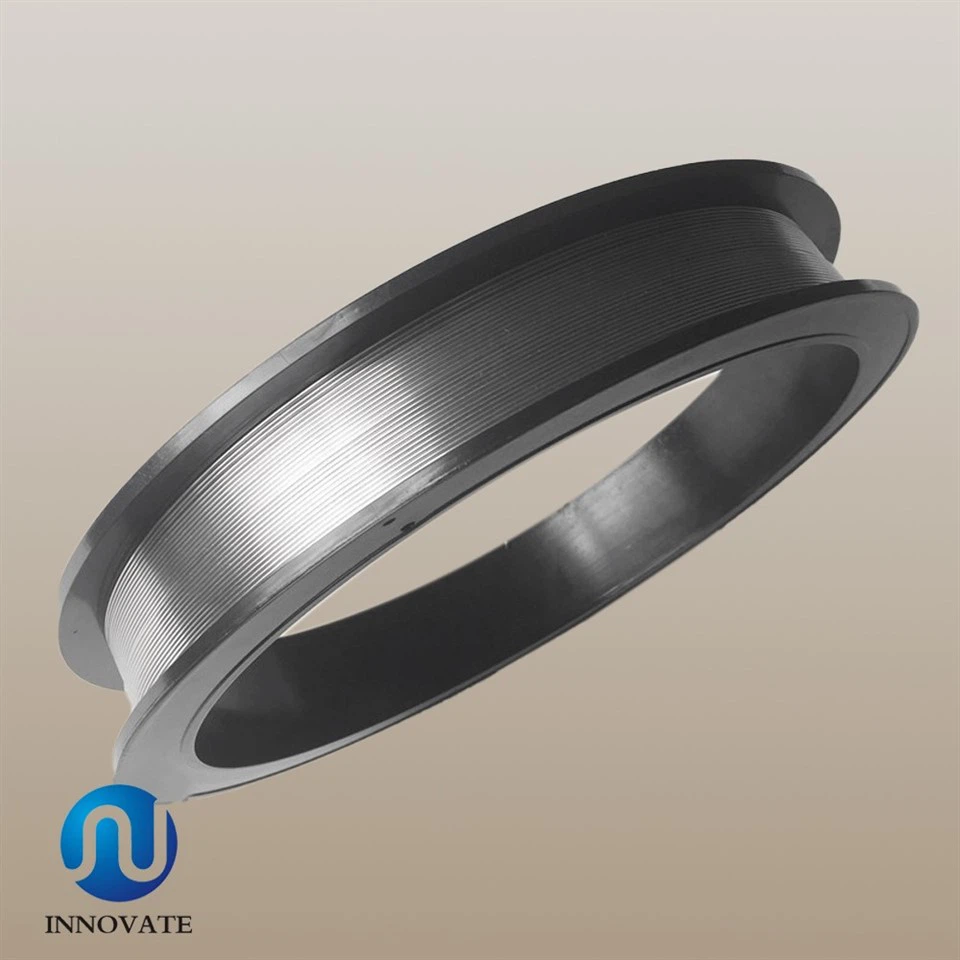
At our company, we offer a wide range of zirconium wire products with different niobium contents to meet the diverse needs of our customers. Our 60702 Thin Zirconium Wire is one of our popular products. It is carefully manufactured to ensure high quality and consistency. The niobium content in this wire is precisely controlled to provide the optimal combination of properties for various applications.
We understand that every customer has unique requirements, and we are committed to providing customized solutions. Whether you need zirconium wire with a specific niobium content for a particular application or have other special requirements, our team of experts is ready to work with you to develop the perfect product.
Contact Us for Procurement and洽谈
If you are interested in our zirconium wire products or have any questions about the niobium content in zirconium wire, please do not hesitate to contact us. We are always happy to provide you with detailed information, samples, and technical support. Our goal is to establish long - term partnerships with our customers by providing high - quality products and excellent customer service.
References
- Smith, J. (2018). "Alloying Elements in Zirconium and Their Effects on Properties." Journal of Materials Science, 45(3), 789 - 802.
- Johnson, A. (2019). "Corrosion Resistance of Zirconium - Niobium Alloys in Harsh Environments." Corrosion Science, 56(2), 123 - 135.
- Brown, C. (2020). "Mechanical Properties of Zirconium Wires with Different Niobium Contents." Materials Research Bulletin, 67, 112 - 120.