

Tantalum is a rare, hard, blue-gray, lustrous transition metal that is highly corrosion-resistant. Tantalum foil, a product derived from this remarkable metal, has a wide range of applications in various industries, including electronics, aerospace, and chemical processing. As a tantalum foil supplier, understanding the origin of the tantalum used in our foil is crucial not only for us but also for our customers who rely on the quality and sustainability of our products.
Geographical Sources of Tantalum
Tantalum is primarily found in tantalite, a mineral that is often associated with other rare - earth elements and metals. The major geographical sources of tantalum include Australia, the Democratic Republic of the Congo (DRC), Brazil, and Canada.
Australia is one of the leading producers of tantalum in the world. The Greenbushes mine in Western Australia is a significant source. This mine has a long - standing reputation for high - quality tantalum production. The tantalum ore from Australia is typically rich in tantalum content, which makes it ideal for the production of high - grade tantalum foil. The mining operations in Australia are subject to strict environmental and safety regulations, ensuring that the extraction process is carried out in a sustainable and responsible manner.
The Democratic Republic of the Congo also plays a major role in the global tantalum supply. The eastern part of the DRC has large deposits of tantalum - bearing minerals. However, the mining situation in the DRC has been complex due to issues such as conflict and artisanal mining practices. In recent years, efforts have been made to improve the situation through initiatives like the Responsible Minerals Initiative. This aims to ensure that the tantalum mined in the DRC is sourced in a way that is free from conflict and supports local development.
Brazil and Canada are also important sources of tantalum. In Brazil, the tantalum deposits are mainly located in the states of Minas Gerais and Goiás. The Canadian tantalum mines, such as those in the Northwest Territories, contribute a stable supply of tantalum to the global market. These mines use advanced extraction technologies to efficiently recover tantalum from the ore.
Mining and Extraction of Tantalum
The mining of tantalum - bearing ore typically involves open - pit or underground mining methods, depending on the location and characteristics of the deposit. Once the ore is extracted from the ground, it undergoes a series of processing steps to separate the tantalum from other minerals.
The first step is usually crushing and grinding the ore to a fine powder. This increases the surface area of the ore particles, making it easier to extract the tantalum. After that, a process called gravity separation is often used. In this process, the differences in the density of tantalum and other minerals are exploited to separate them. Tantalum, being a heavy metal, can be concentrated through this method.
Next, chemical processes such as leaching are employed. The concentrated ore is treated with strong acids to dissolve the tantalum and other soluble metals. The resulting solution is then subjected to further purification steps, including solvent extraction and precipitation, to obtain a high - purity tantalum compound.

Refining and Conversion to Foil
After the tantalum compound is obtained, it is sent to a refinery for further purification. The refining process aims to remove any remaining impurities and produce tantalum metal with a high degree of purity. Electron beam melting is one of the common methods used in tantalum refining. In this process, a high - energy electron beam is used to melt the tantalum, and the impurities are vaporized or separated during the melting process.
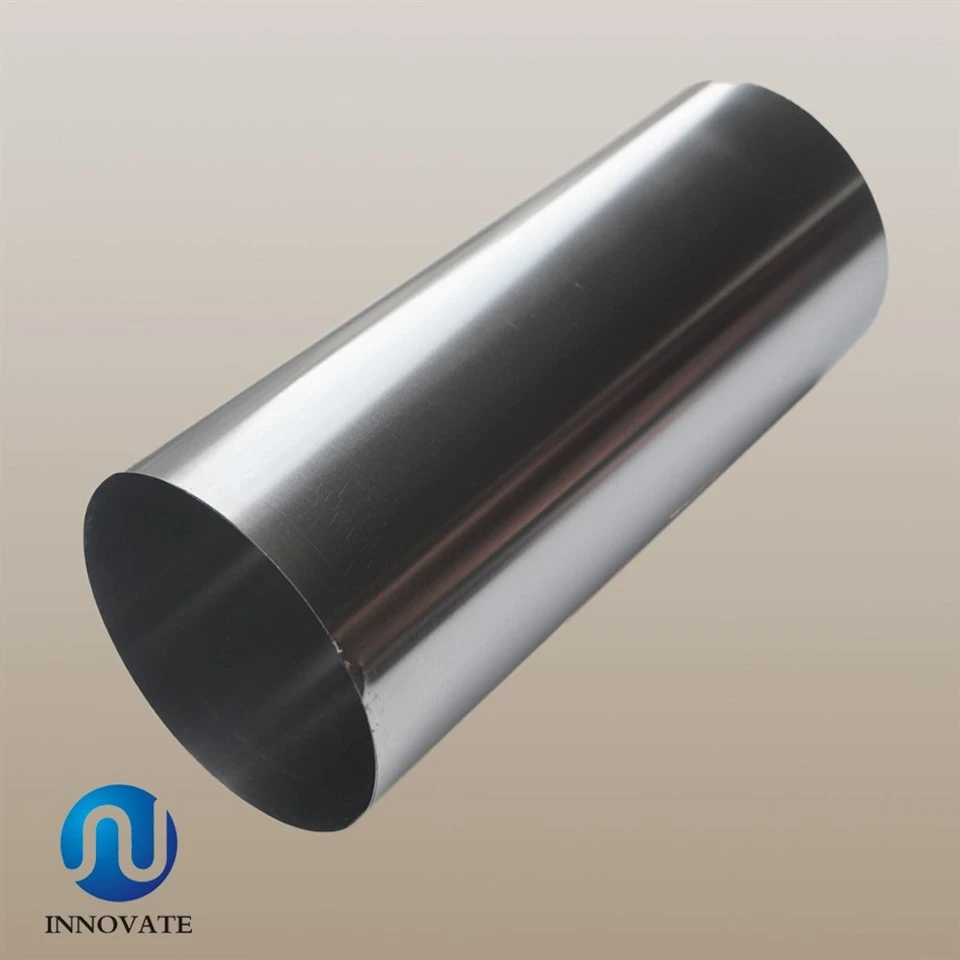
Once the pure tantalum metal is obtained, it is then converted into foil. The conversion process starts with the casting of the tantalum into an ingot. The ingot is then hot - rolled and cold - rolled to gradually reduce its thickness. The rolling process requires precise control of temperature, pressure, and rolling speed to ensure the uniformity and quality of the tantalum foil.
Quality Control and Its Impact on Foil Production
As a tantalum foil supplier, we understand the importance of quality control at every stage of the process. Starting from the sourcing of the raw tantalum ore, we work closely with our mining partners to ensure that the ore meets our strict quality standards. We conduct regular inspections and tests on the ore samples to determine its tantalum content and the presence of any harmful impurities.
During the extraction and refining processes, we use advanced analytical techniques such as X - ray fluorescence (XRF) and inductively coupled plasma mass spectrometry (ICP - MS) to monitor the purity of the tantalum at different stages. These techniques can accurately detect even trace amounts of impurities, allowing us to take corrective actions if necessary.
In the foil production stage, we perform a series of quality checks on the finished foil. We measure the thickness, surface smoothness, and mechanical properties of the foil. For example, the tensile strength and elongation of the foil are important parameters that determine its suitability for different applications. Our quality control measures ensure that the tantalum foil we supply meets or exceeds the industry standards, such as the ASTM B708 Corrosion Resistant Tantalum Foil.
Applications of Tantalum Foil and Its Dependence on Origin
The origin of the tantalum used in the foil can have an impact on its performance in different applications. High - quality tantalum foil produced from ore sourced from Australia or Canada is often preferred in applications where high purity and reliability are crucial, such as in the electronics industry. Tantalum foil is widely used in capacitors, which are essential components in electronic devices like smartphones, laptops, and tablets. The high - grade foil ensures stable electrical performance and long - term reliability of these capacitors.
In the aerospace industry, Deep Drawing Tantalum Sheet is used for manufacturing components that require high strength and corrosion resistance. The origin of the tantalum affects the mechanical properties of the sheet, and the high - quality tantalum from well - regulated mines is more likely to meet the strict requirements of the aerospace industry.
The chemical processing industry also relies on tantalum foil. Tantalum Diaphragm is used in equipment that handles corrosive chemicals. The purity and corrosion resistance of the tantalum foil, which are influenced by its origin, are critical factors in ensuring the safe and efficient operation of these chemical processing systems.
Conclusion
As a tantalum foil supplier, we are committed to providing our customers with high - quality products. Understanding the origin of the tantalum used in our foil is essential for maintaining product quality and meeting the diverse needs of our customers. The geographical sources of tantalum, along with the mining, extraction, refining, and quality control processes, all contribute to the final quality of the tantalum foil.
We are constantly working to improve our sourcing strategies to ensure that the tantalum we use is not only of high quality but also sourced in a responsible and sustainable manner. Whether you are in the electronics, aerospace, or chemical processing industry, if you are looking for reliable and high - grade tantalum foil, we are here to meet your needs. Contact us to discuss your specific requirements and start a procurement negotiation.
References
- "Tantalum: Mineral information, data and localities." Mindat.org.
- Responsible Minerals Initiative. Annual Reports.
- "Handbook of Tantalum and Niobium Science and Technology." Edited by G. A. Kosolapov and R. A. Andrievsky.