

Hey there! As a tantalum plate supplier, I often get asked about the recycling process of tantalum plates. It's a topic that's not only important for the environment but also for the sustainable supply of this valuable metal. So, let's dive right in and explore how tantalum plates are recycled.
Why Recycle Tantalum Plates?
First off, why bother recycling tantalum plates? Well, tantalum is a rare and precious metal. It's used in a wide range of applications, from electronics like smartphones and laptops to aerospace components. The demand for tantalum is constantly growing, but its natural reserves are limited. Recycling tantalum plates helps to reduce the need for mining new tantalum, which can be environmentally damaging. It also conserves this valuable resource for future generations.
The Initial Collection
The recycling process starts with the collection of used tantalum plates. As a supplier, we have a network that allows us to gather these plates from various sources. This can include manufacturers who have leftover or scrap tantalum plates from their production processes, as well as end - users who are upgrading their equipment and no longer need the tantalum components.
We make it easy for our customers to return their used tantalum plates. We offer incentives like discounts on future purchases or buy - back programs. This encourages them to participate in the recycling process and helps us build a reliable supply of materials for recycling.
Sorting and Inspection
Once the used tantalum plates are collected, the next step is sorting and inspection. We carefully examine each plate to determine its quality and composition. This is crucial because different tantalum plates may have different levels of purity and may be contaminated with other materials.
During the inspection, we use advanced testing equipment. For example, we might use X - ray fluorescence (XRF) analyzers to quickly identify the elements present in the tantalum plate. This helps us separate the plates into different categories based on their purity and the presence of any contaminants.
We also look for any signs of damage or wear on the plates. Plates that are severely damaged may require additional processing steps or may not be suitable for recycling at all. On the other hand, plates that are in good condition can move more quickly through the recycling process.
Dismantling and Cleaning
If the tantalum plates are part of a larger component, we need to dismantle them. This can be a delicate process, especially when dealing with complex electronic devices. We use specialized tools to carefully remove the tantalum plates without causing any damage.

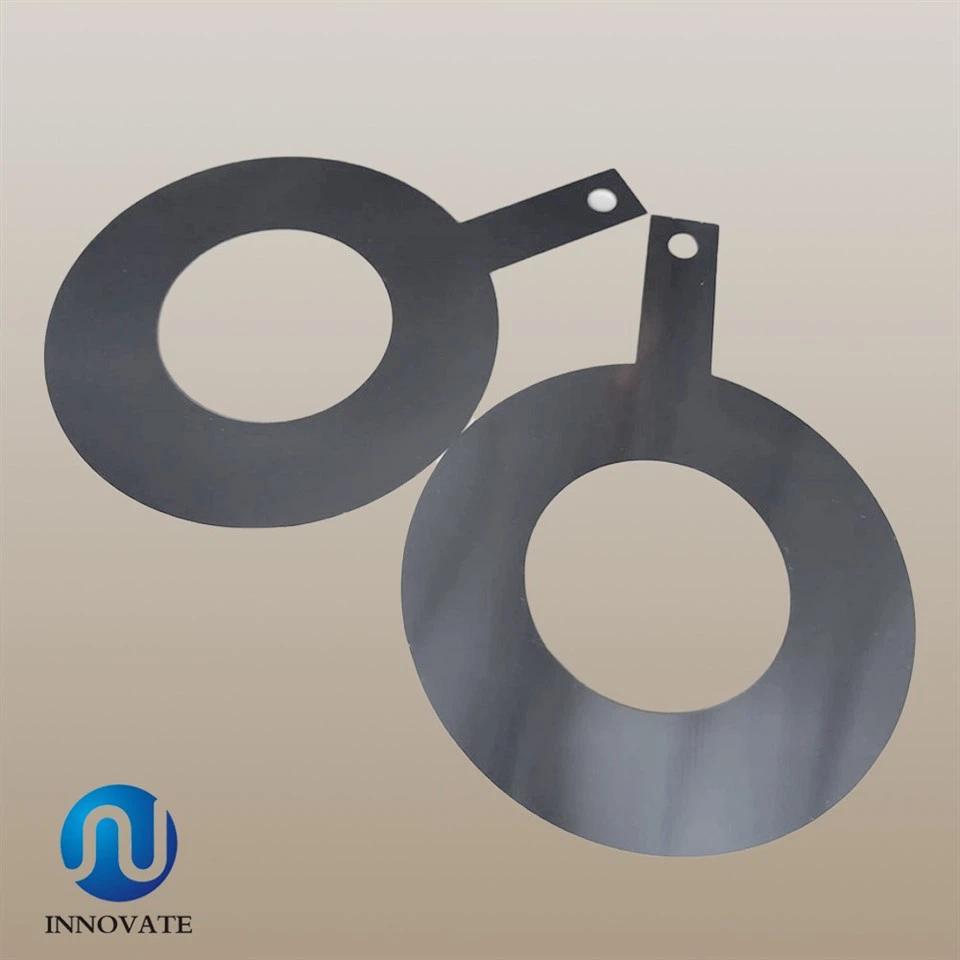
After dismantling, the plates go through a thorough cleaning process. This is to remove any dirt, grease, or other contaminants that may be on the surface. We use a combination of chemical cleaning agents and mechanical cleaning methods. For example, we might soak the plates in a mild acid solution to dissolve any oxides or other impurities. Then, we use ultrasonic cleaners to remove any remaining particles.
Smelting and Refining
Once the tantalum plates are clean, they are ready for smelting. Smelting is the process of heating the tantalum to a high temperature to melt it. We use high - temperature furnaces that can reach temperatures of over 3000 degrees Celsius. This intense heat breaks down the tantalum plate into its molten form.
During smelting, any remaining impurities are separated from the tantalum. The impurities rise to the surface of the molten tantalum and can be skimmed off. This leaves us with a purer form of tantalum.
After smelting, the tantalum goes through a refining process. There are several methods for refining tantalum, such as electron beam melting and vacuum arc remelting. These methods further purify the tantalum, removing any trace impurities and ensuring that the final product meets the high - quality standards required for various applications [1].
Manufacturing New Products
Once the tantalum has been refined, it's ready to be made into new products. We can use the recycled tantalum to produce a variety of items, including Tantalum Grounding Ring and RO522/5400 High Purity Tantalum Plate.
The manufacturing process depends on the specific product. For example, to make a tantalum plate, we might use rolling mills to shape the molten tantalum into the desired thickness and size. Then, we perform additional finishing processes like polishing to give the plate a smooth surface.
Quality Control
Throughout the entire recycling and manufacturing process, we have strict quality control measures in place. We test the recycled tantalum products at every stage to ensure that they meet the required specifications. This includes testing for purity, strength, and other physical properties.
We also have a team of experienced quality control engineers who oversee the entire process. They use state - of - the - art testing equipment and follow international standards to ensure that our products are of the highest quality.
The Benefits of Recycling Tantalum Plates
Recycling tantalum plates has many benefits. For the environment, it reduces the environmental impact of mining. Mining for tantalum can cause deforestation, soil erosion, and water pollution. By recycling, we can minimize these negative effects and protect our planet.
For the economy, recycling tantalum plates helps to create jobs in the recycling and manufacturing sectors. It also reduces the dependence on imported tantalum, which can be subject to price fluctuations and supply disruptions.
For our customers, using recycled tantalum products is a great way to show their commitment to sustainability. It also often comes at a lower cost compared to products made from newly mined tantalum.
Get in Touch for Your Tantalum Plate Needs
If you're in the market for high - quality tantalum plates, whether they're recycled or newly manufactured, we'd love to hear from you. We're committed to providing the best products and services to our customers. Whether you have questions about our recycling process, our product range, or want to discuss a potential purchase, don't hesitate to reach out. We're here to help you find the right tantalum solution for your needs.
References
[1] "Tantalum: Properties, Processing, and Applications." ASM International Handbook Committee, ASM International, 2000.