

As a trusted molybdenum rod supplier, I often encounter inquiries about the properties of our products. One of the frequently asked questions is, "What is the specific heat capacity of a molybdenum rod?" In this blog post, I will delve into this topic, providing detailed information on the specific heat capacity of molybdenum rods, its significance, and how it relates to the performance of our products.
Understanding Specific Heat Capacity
Specific heat capacity is a fundamental physical property that describes the amount of heat energy required to raise the temperature of a unit mass of a substance by one degree Celsius (or Kelvin). It is denoted by the symbol "c" and is typically measured in joules per gram per degree Celsius (J/g°C) or joules per mole per degree Celsius (J/mol°C). The specific heat capacity of a substance is an important characteristic as it influences how the substance responds to heat transfer.
Substances with a high specific heat capacity require more heat energy to increase their temperature compared to substances with a low specific heat capacity. This means that they can absorb and store more heat without experiencing a significant change in temperature. On the other hand, substances with a low specific heat capacity heat up and cool down quickly because they require less heat energy to change their temperature.
Specific Heat Capacity of Molybdenum
Molybdenum is a refractory metal known for its high melting point, excellent thermal conductivity, and good mechanical properties at elevated temperatures. The specific heat capacity of molybdenum varies depending on the temperature. At room temperature (around 25°C or 298 K), the specific heat capacity of molybdenum is approximately 0.251 J/g°C or 24.36 J/mol°C [1].
As the temperature increases, the specific heat capacity of molybdenum also changes. At higher temperatures, the atoms in the molybdenum lattice vibrate more vigorously, and more energy is required to increase their kinetic energy further. This results in an increase in the specific heat capacity. For example, at 1000°C (1273 K), the specific heat capacity of molybdenum is around 0.31 J/g°C or 29.7 J/mol°C [2].
Significance of Specific Heat Capacity in Molybdenum Rods
The specific heat capacity of molybdenum rods plays a crucial role in their performance in various applications. Here are some key aspects:
Thermal Stability
Molybdenum rods are often used in high-temperature applications, such as in furnaces, heating elements, and aerospace components. The relatively high specific heat capacity of molybdenum allows the rods to absorb and store a significant amount of heat without undergoing rapid temperature changes. This helps to maintain the stability of the structure and performance of the rods under high-temperature conditions. For example, in a furnace, molybdenum rods can act as heat sinks, absorbing excess heat and preventing overheating of the surrounding components.
Energy Efficiency
In applications where energy efficiency is important, the specific heat capacity of molybdenum rods can be an advantage. Since molybdenum can store a large amount of heat, it reduces the need for continuous heating to maintain a constant temperature. This can lead to energy savings in industrial processes that rely on molybdenum rods for heating or heat transfer.
Thermal Cycling
Molybdenum rods are often subjected to repeated heating and cooling cycles in many applications. The specific heat capacity of molybdenum helps to mitigate the effects of thermal cycling. When the rods are heated, they can absorb the heat gradually due to their high specific heat capacity. During cooling, they release the heat slowly, reducing the thermal stress on the material. This helps to prevent cracking and other forms of damage that can occur due to rapid temperature changes.
Our Molybdenum Rod Products
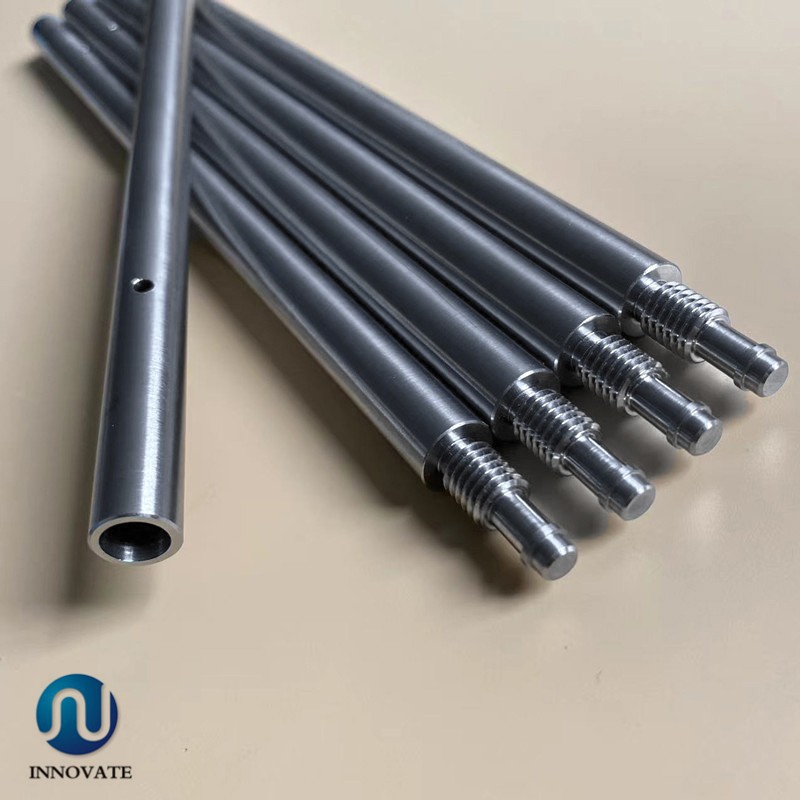
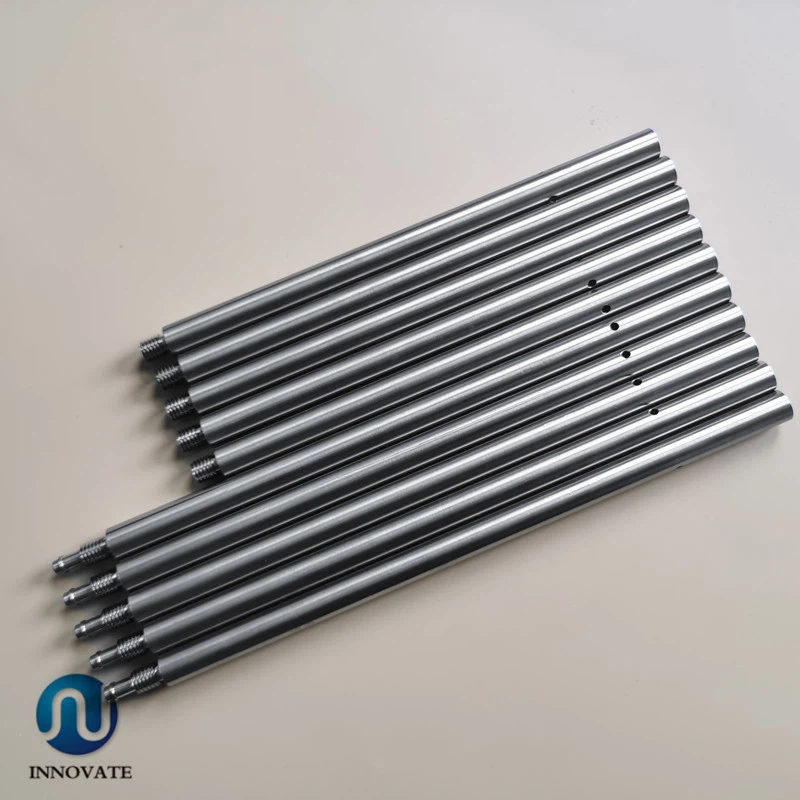
As a leading molybdenum rod supplier, we offer a wide range of high-quality molybdenum rods to meet the diverse needs of our customers. Our products include MO1 Polished Molybdenum Rod, High Temperature Resistant MO1 Molybdenum Rod, and 99.99% Pure Molybdenum Rod.
Our molybdenum rods are manufactured using advanced production techniques to ensure consistent quality and performance. We carefully control the purity, density, and other properties of the rods to meet the specific requirements of different applications. Whether you need molybdenum rods for high-temperature heating, electrical conductivity, or other purposes, we have the right solution for you.
Contact Us for Procurement
If you are interested in purchasing molybdenum rods or have any questions about our products, we encourage you to contact us for procurement and further discussion. Our team of experts is ready to assist you in selecting the most suitable molybdenum rods for your specific needs. We can provide detailed product information, technical support, and competitive pricing.
References
[1] Lide, D. R., ed. (2005). CRC Handbook of Chemistry and Physics (86th ed.). Boca Raton, FL: CRC Press.
[2] Touloukian, Y. S., & Ho, C. Y. (1970). Thermophysical Properties of Matter: The TPRC Data Series, Volume 4 - Specific Heat - Nonmetallic Liquids and Gases. New York: Plenum Press.