

Tantalum, a rare and highly valuable metal, is renowned for its exceptional corrosion resistance. As a leading tantalum tube supplier, I am often asked about the specific corrosive environments that tantalum tubes can withstand. In this blog post, I will delve into the remarkable properties of tantalum and explore the diverse range of corrosive conditions in which tantalum tubes excel.
Understanding Tantalum's Corrosion Resistance
Tantalum's outstanding corrosion resistance stems from its ability to form a thin, stable oxide layer on its surface. This passive oxide film, primarily composed of tantalum pentoxide (Ta₂O₅), acts as a protective barrier that prevents further oxidation and corrosion. The oxide layer is self - healing, meaning that if it is damaged, it can reform rapidly in the presence of oxygen, maintaining the integrity of the metal.
The stability of the tantalum oxide layer is due to its high bond strength and low solubility in most chemical environments. This makes tantalum tubes suitable for use in a wide variety of industries where exposure to corrosive substances is common.
Acidic Environments
One of the most significant advantages of tantalum tubes is their excellent resistance to a wide range of acids.
Sulfuric Acid
Sulfuric acid is a strong, highly corrosive acid commonly used in the chemical industry for various processes such as fertilizer production, petroleum refining, and metal processing. Tantalum tubes can withstand concentrated sulfuric acid at high temperatures. Even at temperatures up to 200°C, tantalum shows negligible corrosion rates in sulfuric acid solutions with concentrations ranging from dilute to concentrated. This makes tantalum tubes ideal for applications in sulfuric acid storage, transportation, and processing equipment.
Hydrochloric Acid
Hydrochloric acid is another strong acid that is widely used in industries such as steel pickling, food processing, and chemical synthesis. Tantalum tubes exhibit outstanding resistance to hydrochloric acid, even at high concentrations and elevated temperatures. They can be used in equipment for hydrochloric acid production, handling, and purification without significant corrosion, ensuring long - term reliability and safety.
Nitric Acid
Nitric acid is a powerful oxidizing acid used in the production of fertilizers, explosives, and various chemicals. Tantalum tubes are highly resistant to nitric acid, including concentrated solutions at high temperatures. This resistance makes them suitable for use in nitric acid manufacturing plants, as well as in laboratory equipment where nitric acid is used for chemical analysis and synthesis.
Alkaline Environments
In addition to acidic environments, tantalum tubes also demonstrate good resistance to many alkaline solutions.
Sodium Hydroxide
Sodium hydroxide, also known as caustic soda, is a strong base used in industries such as pulp and paper, textiles, and soap manufacturing. Tantalum tubes can withstand sodium hydroxide solutions at moderate concentrations and temperatures. However, at very high concentrations and elevated temperatures, the corrosion rate may increase slightly, but still remains relatively low compared to many other metals. This allows tantalum tubes to be used in equipment for sodium hydroxide storage, handling, and processing.
Potassium Hydroxide
Potassium hydroxide is another important alkaline compound used in battery manufacturing, soap production, and chemical synthesis. Tantalum tubes show similar corrosion resistance to potassium hydroxide as they do to sodium hydroxide. They can be employed in applications where potassium hydroxide is present, providing reliable performance in alkaline environments.
Oxidizing and Reducing Environments
Tantalum tubes are well - suited for both oxidizing and reducing environments.
Oxidizing Environments
In oxidizing environments, the passive oxide layer on tantalum is further strengthened, enhancing its corrosion resistance. For example, in the presence of oxidizing agents such as hydrogen peroxide or permanganate solutions, tantalum tubes maintain their integrity and show minimal corrosion. This makes them suitable for use in applications where oxidation reactions are involved, such as in the production of certain chemicals and in water treatment processes.
Reducing Environments
In reducing environments, where there is a lack of oxygen or the presence of reducing agents, tantalum still retains its corrosion resistance. For instance, in solutions containing sulfur dioxide or other reducing gases, tantalum tubes do not corrode significantly. This property makes them useful in industries such as the petrochemical industry, where reducing conditions are often encountered during the refining process.
Halogen - Containing Environments
Tantalum tubes also have good resistance to halogen - containing environments.
Chlorine
Chlorine is a highly reactive and corrosive gas used in water treatment, the production of plastics, and many other industrial processes. Tantalum tubes can withstand chlorine gas at moderate temperatures and pressures. They are often used in equipment for chlorine storage, transportation, and processing, providing a reliable solution in halogen - rich environments.
Bromine and Iodine
Tantalum tubes also show some resistance to bromine and iodine. While the corrosion resistance may not be as high as in some other environments, they can still be used in applications where exposure to these halogens is limited or at relatively low concentrations.
Applications in the Chemical Industry
The ability of tantalum tubes to withstand a wide range of corrosive environments makes them an essential component in the chemical industry. For example, in chemical reactors, tantalum tubes can be used as heat exchangers or as part of the reaction vessel itself. Their corrosion resistance ensures that the equipment can operate safely and efficiently for extended periods, reducing maintenance costs and downtime.
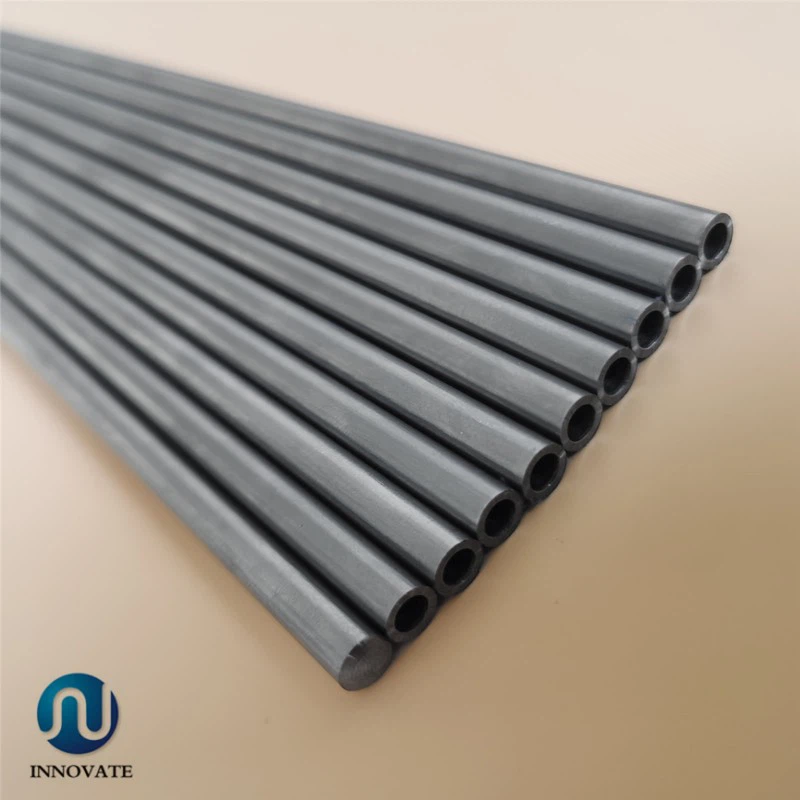
If you are looking for high - quality Corrosion Resistant Tantalum Tube for Chemical Industry, our company is your reliable partner. Our tantalum tubes are manufactured to the highest standards, ensuring excellent performance in the most demanding corrosive environments.
Conclusion
In conclusion, tantalum tubes are an excellent choice for applications in a wide variety of corrosive environments. Their ability to resist acids, alkalis, oxidizing and reducing agents, and halogen - containing substances makes them invaluable in industries such as chemical processing, petrochemicals, and water treatment. As a tantalum tube supplier, we are committed to providing our customers with the highest quality products that meet their specific requirements.
If you are interested in purchasing tantalum tubes for your corrosive environment applications, please feel free to contact us for a detailed discussion. We can provide you with technical support, product samples, and competitive pricing to help you make the best decision for your project.
References
- “Tantalum: Properties, Applications, and Production.” Encyclopedia of Materials: Science and Technology, Elsevier, 2001.
- “Corrosion Resistance of Tantalum and Its Alloys.” Handbook of Corrosion Data, Second Edition, McGraw - Hill, 2000.
- “Tantalum in the Chemical Industry.” Chemical Engineering Progress, American Institute of Chemical Engineers, various issues.