

The coefficient of thermal expansion (CTE) is a crucial physical property that significantly impacts the practical applications of tungsten plates. As a reliable tungsten plate supplier, I have witnessed firsthand how this property can either facilitate or complicate the use of our products in various industries. In this blog post, I will delve into the intricacies of the coefficient of thermal expansion and its effects on the utilization of tungsten plates.
Understanding the Coefficient of Thermal Expansion
The coefficient of thermal expansion is defined as the fractional change in length or volume of a material per unit change in temperature. It is typically expressed in units of parts per million per degree Celsius (ppm/°C). Materials with a high CTE expand more significantly when heated and contract more when cooled compared to those with a low CTE.
Tungsten is known for its extremely low coefficient of thermal expansion, approximately 4.5 ppm/°C at room temperature. This low value is a result of the strong inter - atomic bonds in tungsten, which resist the thermal agitation that causes atoms to move further apart as the temperature rises.
Impact on High - Temperature Applications
One of the most prominent areas where the low CTE of tungsten plates proves invaluable is in high - temperature applications. For instance, in the aerospace industry, tungsten plates are used in components such as rocket nozzles and heat shields. During rocket launches, these components are exposed to extremely high temperatures, sometimes exceeding 3000°C.
The low CTE of tungsten ensures that the shape and dimensions of the plates remain relatively stable under such extreme thermal conditions. This is crucial because any significant expansion or contraction could lead to structural failures, such as cracking or warping. If a rocket nozzle were to warp due to thermal expansion, it could disrupt the flow of exhaust gases, affecting the rocket's thrust and stability.
In the semiconductor manufacturing industry, tungsten plates are used in high - temperature furnaces for processes like chemical vapor deposition (CVD). These furnaces operate at temperatures ranging from 800°C to 1200°C. The low CTE of tungsten plates helps maintain the precise alignment and dimensional accuracy required for these processes. Any thermal expansion - induced changes in the plate's dimensions could lead to misalignments in the semiconductor wafers, resulting in defective products.
Compatibility with Other Materials
When using tungsten plates in composite structures or assemblies, the coefficient of thermal expansion becomes a critical factor for compatibility with other materials. In many applications, tungsten plates are combined with materials such as ceramics or metals. If the CTE of tungsten and the other material differ significantly, thermal stresses will develop when the temperature changes.
For example, if a tungsten plate is bonded to a metal with a much higher CTE, during heating, the metal will expand more than the tungsten. This differential expansion can create internal stresses at the interface between the two materials, potentially leading to delamination or cracking. To mitigate these issues, engineers often select materials with similar CTEs or use intermediate layers with tailored CTEs to gradually transition between the two materials.
Machining and Fabrication
The coefficient of thermal expansion also affects the machining and fabrication processes of tungsten plates. During machining operations such as milling, turning, or grinding, heat is generated due to the friction between the cutting tool and the workpiece. This heat can cause local temperature increases in the tungsten plate, leading to thermal expansion.

If not properly managed, this thermal expansion can result in dimensional inaccuracies in the machined parts. Machinists need to account for the low CTE of tungsten and use appropriate cooling techniques to minimize temperature fluctuations during the machining process. Additionally, post - machining stress relief treatments may be required to ensure the long - term dimensional stability of the fabricated parts.
Thermal Cycling Resistance
In applications where tungsten plates are subjected to repeated heating and cooling cycles, the low CTE contributes to their excellent thermal cycling resistance. Thermal cycling can cause fatigue in materials due to the repeated expansion and contraction. However, because tungsten has a low CTE, the magnitude of the dimensional changes during each cycle is relatively small.
This reduces the stress levels within the material, minimizing the risk of fatigue cracking. For example, in high - power electrical contacts, tungsten plates are often used. These contacts are subjected to frequent on - off cycles, which result in rapid heating and cooling. The low CTE of tungsten helps these contacts maintain their integrity over a large number of cycles, ensuring reliable electrical performance.
Applications in Precision Instruments
Precision instruments, such as optical mirrors and measuring devices, require materials with high dimensional stability. Tungsten plates are an ideal choice for these applications due to their low CTE. In optical systems, even the slightest change in the mirror's shape or dimensions can affect the quality of the reflected light.
The low CTE of tungsten ensures that the mirror remains flat and distortion - free, even when exposed to temperature variations. This is crucial for applications such as telescopes, microscopes, and laser systems, where precise optical alignment is essential.
Availability of High - Quality Tungsten Plates
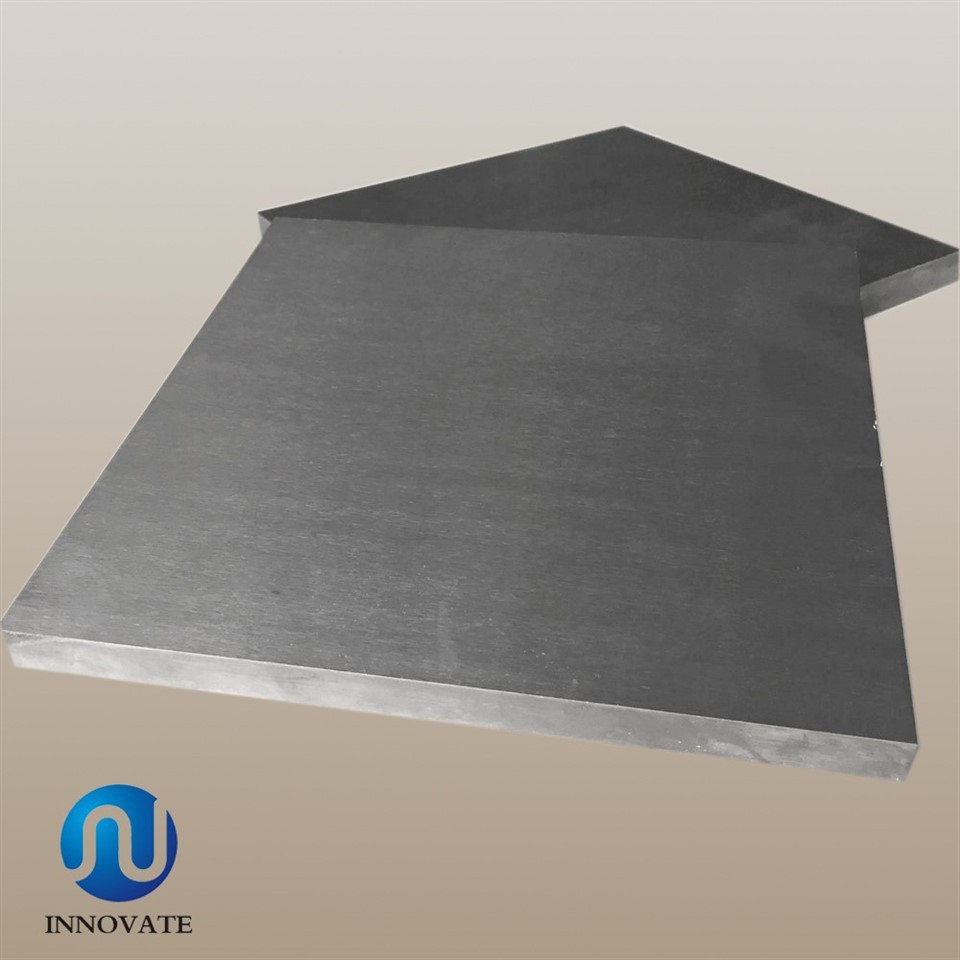
At our company, we offer a wide range of tungsten plates, including Polished Tungsten Plates. Our polished tungsten plates are manufactured to the highest standards, with strict control over the material's properties, including the coefficient of thermal expansion.
We understand the importance of providing our customers with products that meet their specific requirements. Whether you need tungsten plates for high - temperature applications, precision instruments, or any other industry, we can supply you with the right solution. Our team of experts is always available to provide technical support and guidance on the selection and use of our tungsten plates.
Contact Us for Procurement
If you are interested in purchasing tungsten plates for your projects, we encourage you to contact us for a detailed discussion. We can offer competitive pricing, high - quality products, and reliable delivery. Our goal is to establish long - term partnerships with our customers by providing them with the best possible products and services.
References
- ASM Handbook Volume 2: Properties and Selection: Nonferrous Alloys and Special - Purpose Materials. ASM International.
- "Tungsten: Properties, Chemistry, Technology of the Element, Alloys, and Chemical Compounds" by R. Kieffer and F. Benesovsky.
- Journal of Materials Science and Engineering articles related to thermal expansion and high - temperature materials.