

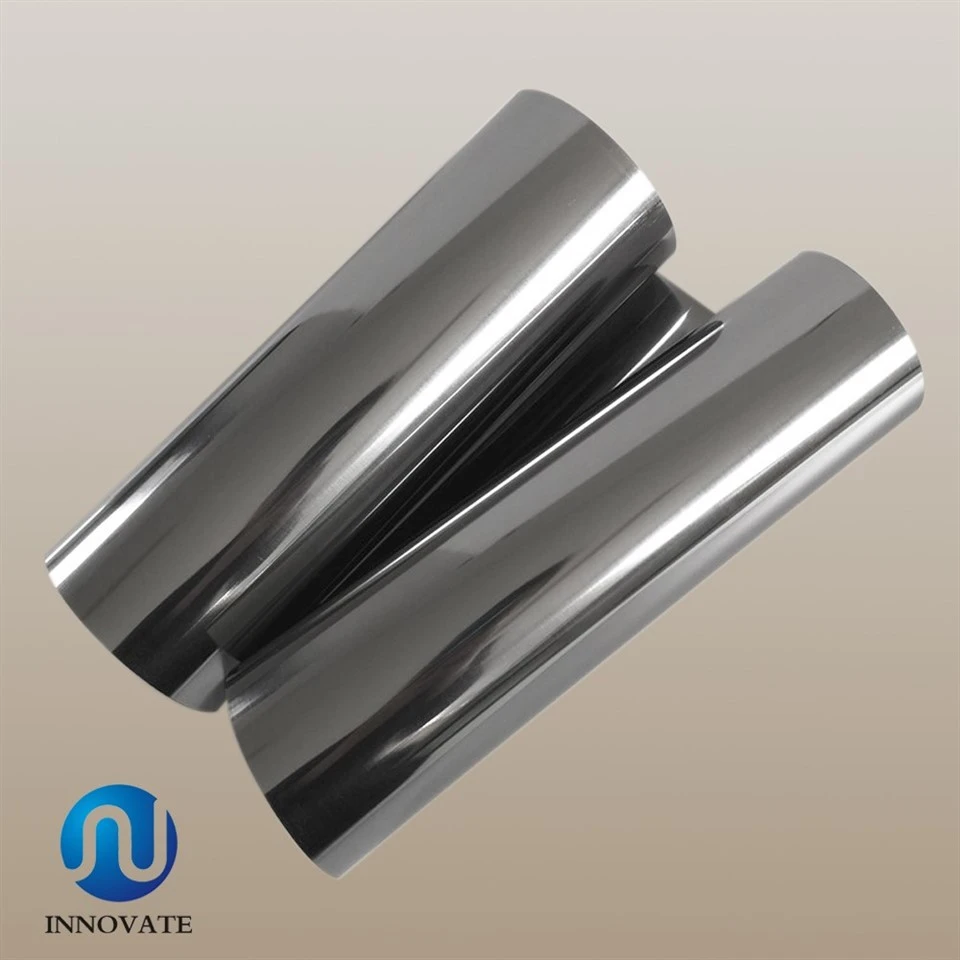
Accurately measuring the thickness of tantalum foil is crucial for various industries that rely on this high-performance material. As a tantalum foil supplier, I understand the significance of precise thickness measurement in ensuring the quality and functionality of our products. In this blog post, I will share some effective methods and considerations for measuring the thickness of tantalum foil accurately.
Why Accurate Thickness Measurement Matters
Tantalum foil is widely used in electronics, aerospace, chemical processing, and other high - tech industries due to its excellent corrosion resistance, high melting point, and good electrical conductivity. The thickness of tantalum foil can significantly affect its performance in different applications. For example, in electronic components, a slight deviation in thickness can lead to changes in electrical properties, which may affect the overall performance of the device. In chemical processing, an incorrect thickness might compromise the corrosion - resistance capabilities of the foil. Therefore, accurate thickness measurement is essential for quality control, compliance with industry standards, and meeting customer requirements.
Common Methods for Measuring Tantalum Foil Thickness
1. Micrometer Measurement
One of the most straightforward and commonly used methods for measuring the thickness of tantalum foil is using a micrometer. A micrometer is a precision measuring instrument that can provide highly accurate readings. To measure the tantalum foil with a micrometer, follow these steps:
- Prepare the Foil: Ensure that the tantalum foil is clean and free from any debris or contaminants that could affect the measurement. Place the foil on a flat and smooth surface.
- Zero the Micrometer: Before taking the measurement, zero the micrometer to eliminate any potential errors. This can be done by closing the jaws of the micrometer gently and adjusting the zero - setting screw until the reading on the scale is zero.
- Take the Measurement: Gently place the tantalum foil between the jaws of the micrometer. Make sure the foil is positioned evenly and that the jaws are perpendicular to the surface of the foil. Slowly close the jaws until they make gentle contact with the foil. Read the measurement on the micrometer scale. It is advisable to take multiple measurements at different points on the foil and calculate the average to get a more accurate result.
However, it should be noted that micrometer measurement has some limitations. If the tantalum foil is very thin (e.g., less than 10 micrometers), it may be challenging to get an accurate measurement due to the potential for the foil to deform under the pressure of the micrometer jaws.

2. Optical Measurement
Optical measurement methods, such as confocal microscopy and interferometry, are suitable for measuring the thickness of thin tantalum foils with high precision.
Confocal Microscopy: Confocal microscopy uses a laser beam to scan the surface of the tantalum foil. By analyzing the reflected light, the height profile of the foil can be obtained, from which the thickness can be calculated. This method is non - contact, which means it does not cause any damage to the foil. It can provide high - resolution measurements and is particularly useful for measuring foils with complex surface structures.
Interferometry: Interferometry is based on the principle of light interference. A beam of light is split into two parts: one part reflects off the top surface of the tantalum foil, and the other part reflects off the bottom surface. When these two beams recombine, an interference pattern is formed. By analyzing this interference pattern, the thickness of the foil can be accurately determined. Interferometry is a highly accurate method and can measure thicknesses in the nanometer range.
3. X - ray Fluorescence (XRF) Measurement
X - ray fluorescence is a non - destructive analytical technique that can be used to measure the thickness of tantalum foil. When the tantalum foil is irradiated with X - rays, the atoms in the foil emit characteristic fluorescent X - rays. The intensity of these fluorescent X - rays is related to the thickness of the foil. By calibrating the XRF instrument with known - thickness standards, the thickness of the unknown tantalum foil can be determined. This method is suitable for measuring foils with a relatively large thickness range and can also provide information about the elemental composition of the foil.
Considerations for Accurate Thickness Measurement
1. Environmental Conditions
The environmental conditions during the measurement can have a significant impact on the accuracy of the results. Temperature, humidity, and air pressure can all cause the tantalum foil to expand or contract, which will affect its thickness. Therefore, it is recommended to perform the measurement in a controlled environment with stable temperature and humidity. For example, the temperature should be maintained at around 20 - 25 degrees Celsius, and the relative humidity should be kept between 40% - 60%.
2. Foil Surface Quality
The surface quality of the tantalum foil can also affect the measurement accuracy. If the foil has scratches, dents, or uneven surfaces, the measurement results may be inaccurate. Therefore, it is important to ensure that the foil surface is smooth and free from any defects before taking the measurement.
3. Measurement Equipment Calibration
Regular calibration of the measurement equipment is essential to ensure its accuracy. Micrometers, optical measurement instruments, and XRF analyzers should be calibrated according to the manufacturer's instructions and industry standards. Calibration should be performed at regular intervals, and any equipment that shows signs of deviation from the standard should be repaired or replaced immediately.
Our Tantalum Foil Products
At our company, we offer a wide range of high - quality tantalum foil products, including 99.99% High Purity Tantalum Foil, Tantalum Diaphragm, and High Tensile Tantalum Bursting Disc. Our products are manufactured using advanced production processes and strict quality control measures to ensure consistent thickness and high performance.
Contact Us for Procurement
If you are interested in our tantalum foil products or have any questions about thickness measurement or other technical aspects, please feel free to contact us. We are committed to providing you with the best products and services. Our professional team will be happy to assist you with your procurement needs and provide you with detailed product information and technical support.
References
- ASTM International. (20XX). Standard test methods for thickness measurement of metallic foils.
- ISO Standards. (20XX). Guidelines for accurate measurement of thin metal foils.
- Smith, J. (20XX). Precision measurement techniques for thin metal materials. Journal of Material Science, XX(XX), XX - XX.