

As a supplier of niobium wire, I often encounter inquiries from various customers about the electrical breakdown strength of niobium wire. In this blog post, I will delve into this topic, exploring what electrical breakdown strength is, how it applies to niobium wire, and its significance in different applications.
Understanding Electrical Breakdown Strength
Electrical breakdown strength, also known as dielectric strength, is a crucial property in the field of electrical engineering. It refers to the maximum electric field that a material can withstand without experiencing electrical breakdown. Electrical breakdown occurs when the electric field within a material becomes so strong that it ionizes the atoms or molecules in the material, creating a conductive path. This can lead to a sudden and significant increase in current flow, potentially causing damage to the material and the electrical system it is part of.
The electrical breakdown strength is typically measured in volts per unit length, such as volts per meter (V/m) or kilovolts per millimeter (kV/mm). Different materials have different electrical breakdown strengths, which depend on various factors including their chemical composition, physical structure, and the conditions under which they are used.
Electrical Breakdown Strength of Niobium Wire
Niobium is a transition metal known for its excellent electrical and thermal conductivity, high melting point, and good corrosion resistance. These properties make niobium wire a popular choice in a wide range of applications, including electronics, aerospace, and medical devices.
The electrical breakdown strength of niobium wire is influenced by several factors. One of the primary factors is the purity of the niobium. Higher purity niobium generally has a higher electrical breakdown strength because impurities can act as sites for electrical breakdown. For example, if there are small inclusions or defects in the niobium wire, the electric field can become concentrated around these areas, increasing the likelihood of breakdown.
The diameter and length of the niobium wire also play a role in its electrical breakdown strength. In general, thinner wires tend to have a higher electrical breakdown strength per unit length because the electric field is more evenly distributed along the wire. However, the overall breakdown voltage of a wire also depends on its length, as a longer wire will experience a greater potential difference across its ends.
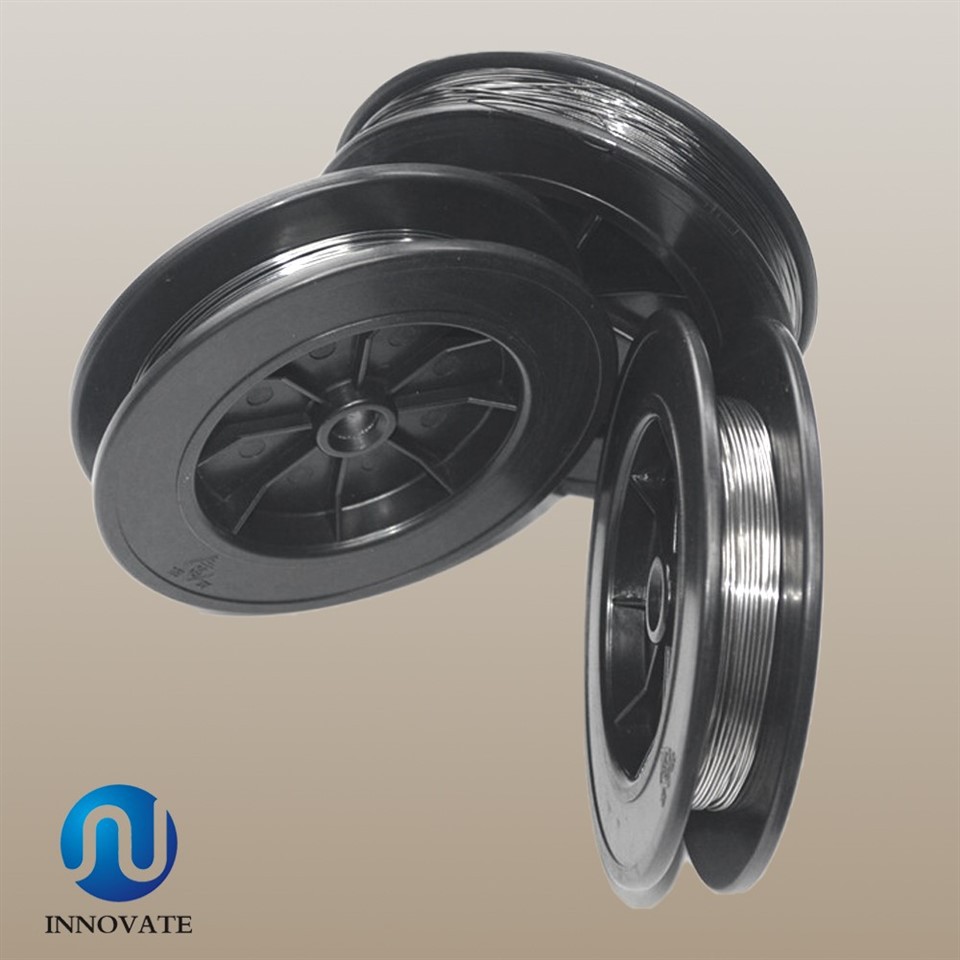

Another important factor is the surface condition of the niobium wire. A smooth and clean surface can help to maintain a more uniform electric field, reducing the risk of breakdown. Any scratches, pits, or contaminants on the surface of the wire can disrupt the electric field and lower the electrical breakdown strength.
Measuring the Electrical Breakdown Strength of Niobium Wire
There are several methods for measuring the electrical breakdown strength of niobium wire. One common method is the direct voltage method, where a steadily increasing direct voltage is applied to the wire until breakdown occurs. The breakdown voltage is then recorded, and the electrical breakdown strength is calculated by dividing the breakdown voltage by the length of the wire.
Another method is the alternating current (AC) method, which is often used in applications where the wire will be exposed to AC voltages. In this method, an AC voltage is applied to the wire, and the breakdown voltage is determined by monitoring the current flow. The advantage of the AC method is that it can more accurately simulate real-world operating conditions.
It is important to note that the measured electrical breakdown strength can vary depending on the testing conditions, such as the temperature, humidity, and the presence of other gases or liquids. Therefore, it is essential to perform the measurements under controlled conditions to obtain reliable results.
Significance of Electrical Breakdown Strength in Applications
The electrical breakdown strength of niobium wire is of great significance in many applications. In high-voltage electrical systems, such as power transmission lines and transformers, niobium wire with a high electrical breakdown strength is essential to prevent electrical breakdown and ensure the safe and reliable operation of the system.
In electronics, niobium wire is often used in printed circuit boards (PCBs) and other electronic components. A high electrical breakdown strength is necessary to prevent short circuits and other electrical failures, especially in miniaturized electronic devices where the spacing between conductors is small.
In the aerospace industry, niobium wire is used in various applications, including wiring harnesses and electrical connectors. The harsh operating conditions in aerospace, such as high temperatures, radiation, and vibration, require niobium wire with a high electrical breakdown strength to ensure the integrity of the electrical systems.
In medical devices, such as pacemakers and defibrillators, niobium wire is used due to its biocompatibility and electrical properties. A high electrical breakdown strength is crucial to prevent electrical interference and ensure the proper functioning of these life-saving devices.
Our RO4200 Niobium Wire
At our company, we offer RO4200 Niobium Wire, which is known for its high purity and excellent electrical properties. Our RO4200 niobium wire has been carefully processed to ensure a smooth surface and uniform diameter, resulting in a high electrical breakdown strength.
We use advanced manufacturing techniques and strict quality control measures to produce niobium wire that meets the highest standards. Our RO4200 niobium wire is available in a variety of diameters and lengths to meet the specific requirements of our customers.
Whether you are working on a high-voltage electrical project, an electronic device, or a medical application, our RO4200 niobium wire can provide the reliable performance you need.
Contact Us for Procurement
If you are interested in purchasing niobium wire or have any questions about its electrical breakdown strength or other properties, please do not hesitate to contact us. Our team of experts is ready to assist you with your procurement needs and provide you with the information you need to make an informed decision. We look forward to working with you and helping you find the perfect niobium wire solution for your application.
References
- "Electrical Properties of Metals" - Handbook of Physics and Chemistry
- "Niobium: Properties and Applications" - Journal of Materials Science
- "Measurement of Dielectric Strength in Conductive Wires" - IEEE Transactions on Electrical Insulation