

As a seasoned tungsten plate supplier, I've encountered numerous inquiries regarding the flatness requirements for tungsten plates. Flatness is a critical aspect that significantly impacts the performance and usability of tungsten plates in various applications. In this blog, I'll delve into the details of what flatness requirements entail for tungsten plates, why they matter, and how we ensure our products meet these standards.
Understanding Flatness in Tungsten Plates
Flatness refers to the degree to which a surface of a tungsten plate is truly flat, without any significant deviations or irregularities. In the context of tungsten plates, it is measured as the maximum deviation of the plate's surface from an ideal flat plane. This deviation is typically expressed in millimeters or inches, depending on the industry standards and customer specifications.
The flatness of a tungsten plate is crucial because it directly affects how the plate functions in its intended application. For example, in semiconductor manufacturing, tungsten plates are used as evaporation sources or sputtering targets. A plate with poor flatness can lead to uneven deposition of tungsten on the substrate, resulting in inconsistent film thickness and quality. This can ultimately affect the performance and reliability of the semiconductor devices.
In the field of high - precision machining, tungsten plates are often used as tooling components. A non - flat plate can cause misalignment during the machining process, leading to inaccurate cuts and reduced dimensional accuracy of the final product. Therefore, maintaining the required flatness is essential for ensuring the quality and functionality of the end - products.
Factors Affecting the Flatness of Tungsten Plates
Several factors can influence the flatness of tungsten plates during the manufacturing process. These include:
1. Raw Material Quality
The quality of the raw tungsten material used to produce the plates plays a significant role in determining the final flatness. Impurities in the tungsten powder or ingot can cause uneven shrinkage during the sintering and rolling processes, leading to warping and non - flatness. At our company, we source high - purity tungsten materials from trusted suppliers to minimize the impact of impurities on the flatness of our plates.
2. Manufacturing Processes
The manufacturing processes involved in producing tungsten plates, such as powder metallurgy, sintering, and rolling, can also affect flatness. For instance, improper sintering conditions, such as uneven heating or cooling rates, can cause internal stresses in the plate, resulting in deformation. Similarly, inconsistent rolling pressure during the rolling process can lead to thickness variations and non - flatness. We have implemented strict quality control measures at every stage of the manufacturing process to ensure that these factors are carefully controlled and minimized.
3. Heat Treatment
Heat treatment is often used to improve the mechanical properties of tungsten plates. However, if not performed correctly, it can also cause changes in the plate's flatness. Rapid heating or cooling during heat treatment can induce thermal stresses, which may lead to warping. Our experienced technicians use advanced heat treatment techniques and equipment to ensure that the plates are heated and cooled uniformly, minimizing the risk of flatness issues.
Industry Standards for Flatness
Different industries have different flatness requirements for tungsten plates. Here are some common standards:
1. Semiconductor Industry
In the semiconductor industry, the flatness requirements for tungsten plates are extremely strict. Typically, the maximum deviation from flatness should be within a few micrometers over the entire surface of the plate. This high level of precision is necessary to ensure the uniformity of thin - film deposition and the performance of semiconductor devices.
2. Aerospace and Defense
The aerospace and defense industries also demand high - quality tungsten plates with excellent flatness. For applications such as missile components or aircraft engine parts, the flatness requirements are often specified in terms of a maximum allowable deviation per unit length. This ensures the proper fit and function of the components in these critical applications.
3. General Industrial Applications
For general industrial applications, such as electrical contacts or heat sinks, the flatness requirements may be less stringent. However, a certain level of flatness is still necessary to ensure proper electrical conductivity and heat transfer.
How We Ensure Flatness in Our Tungsten Plates
As a professional tungsten plate supplier, we are committed to providing our customers with high - quality products that meet or exceed their flatness requirements. Here's how we achieve this:
1. Advanced Manufacturing Technology
We invest in state - of - the - art manufacturing equipment and technology to ensure the precision and consistency of our tungsten plates. Our production facilities are equipped with advanced rolling mills, sintering furnaces, and heat treatment equipment, which allow us to control the manufacturing process with high accuracy.
2. Rigorous Quality Control
We have a comprehensive quality control system in place to monitor the flatness of our tungsten plates at every stage of production. Our quality control team uses advanced measuring instruments, such as laser profilometers and coordinate measuring machines (CMMs), to measure the flatness of the plates accurately. Any plates that do not meet the specified flatness requirements are rejected and re - worked or scrapped.
3. Customized Solutions
We understand that different customers may have different flatness requirements based on their specific applications. Therefore, we offer customized solutions to meet the unique needs of our customers. Our technical team works closely with customers to understand their requirements and develop appropriate manufacturing processes to ensure that the final products meet the desired flatness standards.
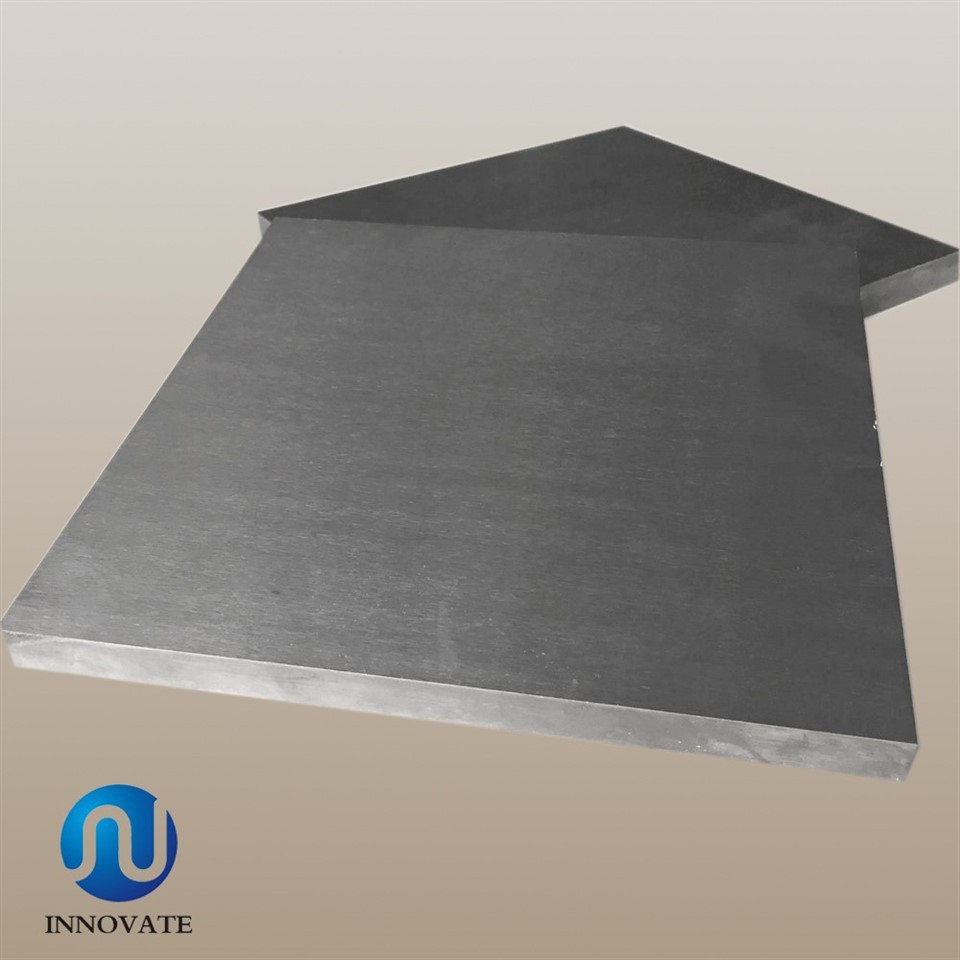
Our Product Range: Polished Tungsten Plates
In addition to meeting strict flatness requirements, our Polished Tungsten Plates offer other advantages. These plates have a smooth and shiny surface finish, which not only enhances their aesthetic appeal but also improves their performance in certain applications. For example, in optical applications, the polished surface can reduce light scattering and improve the clarity of the optical components.

Contact Us for Your Tungsten Plate Needs
If you are in the market for high - quality tungsten plates with precise flatness, look no further. As a reliable tungsten plate supplier, we have the expertise and resources to provide you with the best products and services. Whether you need standard or customized tungsten plates, we can meet your requirements.
We invite you to contact us to discuss your specific needs and start a procurement negotiation. Our sales team is ready to assist you with any questions you may have and provide you with detailed product information and quotations.
References
- "Tungsten and Its Alloys" - A comprehensive handbook on tungsten materials and their properties.
- Industry standards and specifications from semiconductor, aerospace, and general industrial organizations.
- Technical papers and research articles on tungsten plate manufacturing and quality control.