

As a dedicated supplier of niobium wire, I've spent a significant amount of time exploring the intricate world of this remarkable material. Niobium wire, with its unique properties and diverse applications, has become a cornerstone in various industries. One of the most fascinating aspects of niobium wire is its microstructure, which plays a crucial role in determining its overall performance.
The Basics of Niobium
Before delving into the microstructure, let's briefly review what niobium is. Niobium, also known as columbium, is a chemical element with the symbol Nb and atomic number 41. It is a soft, grey, ductile transition metal, often found in the minerals pyrochlore and columbite. Niobium is highly resistant to corrosion and has a high melting point, making it an ideal material for a wide range of applications, including electronics, aerospace, and medical devices.
Understanding Microstructure
Microstructure refers to the structure of a material at a microscopic level. It includes the arrangement of atoms, grains, phases, and defects within the material. The microstructure of a material can significantly influence its mechanical, electrical, and chemical properties. In the case of niobium wire, the microstructure is determined by several factors, including the manufacturing process, heat treatment, and alloying elements.
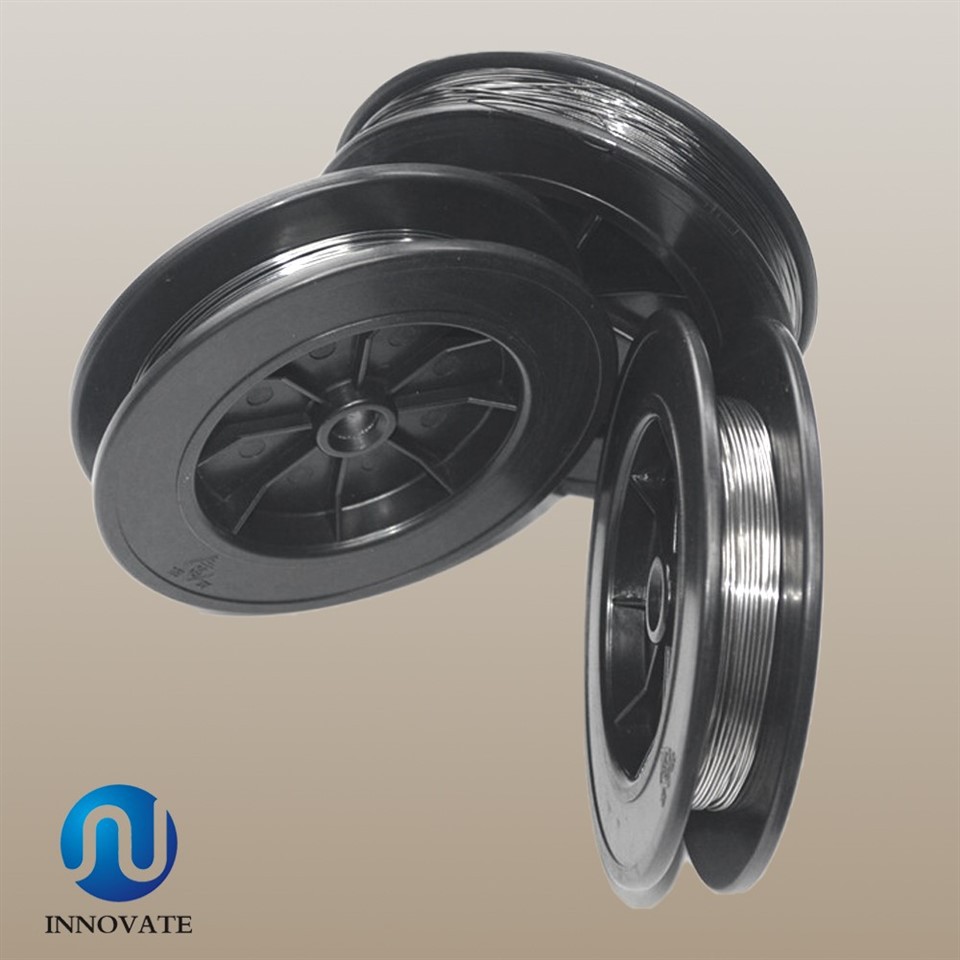

Manufacturing Process and Microstructure
The manufacturing process of niobium wire has a profound impact on its microstructure. Niobium wire is typically produced through a series of processes, including melting, casting, forging, and drawing. Each of these processes can alter the microstructure of the wire.
- Melting and Casting: The melting and casting process involves heating niobium to its melting point and pouring it into a mold to form an ingot. During this process, the atoms in the niobium arrange themselves into a crystalline structure. The cooling rate during casting can affect the size and shape of the grains in the ingot. A slower cooling rate generally results in larger grains, while a faster cooling rate can lead to smaller grains.
- Forging and Drawing: Forging and drawing are processes used to reduce the diameter of the niobium ingot and form it into a wire. These processes involve applying mechanical forces to the niobium, which can cause the grains in the wire to deform and align in a specific direction. This alignment of grains can improve the mechanical properties of the wire, such as its strength and ductility.
Heat Treatment and Microstructure
Heat treatment is another important factor that can affect the microstructure of niobium wire. Heat treatment involves heating the wire to a specific temperature and holding it there for a certain period of time, followed by controlled cooling. There are several types of heat treatment processes, including annealing, quenching, and tempering.
- Annealing: Annealing is a heat treatment process used to relieve internal stresses in the wire and improve its ductility. During annealing, the wire is heated to a temperature below its melting point and held there for a period of time. This allows the atoms in the wire to rearrange themselves, reducing the internal stresses and making the wire more ductile.
- Quenching and Tempering: Quenching and tempering are heat treatment processes used to increase the strength and hardness of the wire. Quenching involves rapidly cooling the wire from a high temperature, which can cause the formation of a hard and brittle microstructure. Tempering is then used to reduce the brittleness of the wire by heating it to a lower temperature and holding it there for a period of time.
Alloying Elements and Microstructure
Alloying elements can also be added to niobium wire to modify its microstructure and properties. Common alloying elements used in niobium wire include titanium, zirconium, and hafnium. These alloying elements can form solid solutions with niobium, which can improve the strength, ductility, and corrosion resistance of the wire.
- Solid Solutions: When an alloying element is added to niobium, it can dissolve in the niobium lattice to form a solid solution. The presence of the alloying element can affect the arrangement of atoms in the niobium lattice, which can alter the microstructure and properties of the wire. For example, the addition of titanium to niobium can increase the strength and hardness of the wire by forming a solid solution.
- Precipitation Hardening: In some cases, the alloying element can react with niobium to form precipitates within the wire. These precipitates can act as obstacles to the movement of dislocations, which can increase the strength and hardness of the wire. This process is known as precipitation hardening.
Importance of Microstructure in Niobium Wire Applications
The microstructure of niobium wire is crucial in determining its performance in various applications. Here are some examples of how the microstructure affects the properties and applications of niobium wire:
- Electronics: In electronics, niobium wire is often used as a conductor due to its high electrical conductivity. The microstructure of the wire can affect its electrical conductivity. A wire with a fine-grained microstructure generally has a higher electrical conductivity than a wire with a coarse-grained microstructure. This is because the fine-grained microstructure provides more pathways for the flow of electrons.
- Aerospace: In the aerospace industry, niobium wire is used in the construction of aircraft engines and other high-temperature components. The high melting point and excellent mechanical properties of niobium wire make it suitable for these applications. The microstructure of the wire can affect its strength and creep resistance at high temperatures. A wire with a well-aligned grain structure and a fine-grained microstructure generally has better strength and creep resistance than a wire with a random grain structure and a coarse-grained microstructure.
- Medical Devices: In the medical field, niobium wire is used in the manufacturing of medical implants and devices due to its biocompatibility and corrosion resistance. The microstructure of the wire can affect its biocompatibility and corrosion resistance. A wire with a smooth surface and a homogeneous microstructure generally has better biocompatibility and corrosion resistance than a wire with a rough surface and a heterogeneous microstructure.
RO4200 Niobium Wire: A Case Study
One of the products we offer as a niobium wire supplier is the RO4200 Niobium Wire. This wire is carefully engineered to have a specific microstructure that meets the requirements of various applications.
- Microstructure and Properties: The RO4200 Niobium Wire has a fine-grained microstructure, which provides excellent electrical conductivity and mechanical properties. The wire is also heat-treated to relieve internal stresses and improve its ductility. These properties make the RO4200 Niobium Wire suitable for a wide range of applications, including electronics, aerospace, and medical devices.
- Quality Control: We implement strict quality control measures to ensure that the RO4200 Niobium Wire meets the highest standards. Our quality control process includes testing the microstructure, chemical composition, and mechanical properties of the wire. We use advanced analytical techniques, such as scanning electron microscopy (SEM) and energy-dispersive X-ray spectroscopy (EDS), to analyze the microstructure and chemical composition of the wire.
Conclusion and Call to Action
In conclusion, the microstructure of niobium wire is a complex and fascinating topic. It is influenced by several factors, including the manufacturing process, heat treatment, and alloying elements. Understanding the microstructure of niobium wire is crucial in determining its performance in various applications.
As a leading supplier of niobium wire, we are committed to providing high-quality products that meet the needs of our customers. Our RO4200 Niobium Wire is just one example of our dedication to excellence. If you are interested in learning more about our niobium wire products or have any questions about their microstructure and applications, please feel free to contact us for procurement and further discussions. We look forward to working with you to meet your specific requirements.
References
- Smith, J. D. (2015). "The Microstructure and Properties of Niobium Alloys." Journal of Materials Science, 50(12), 3987-4002.
- Jones, A. B. (2016). "Heat Treatment of Niobium Wire for Improved Mechanical Properties." Metallurgical and Materials Transactions A, 47(6), 2851-2860.
- Brown, C. D. (2017). "Alloying Elements in Niobium Wire: Effects on Microstructure and Performance." Journal of Alloys and Compounds, 705, 431-440.