

Hey there! As a tantalum foil supplier, I often get asked about the surface finish of tantalum foil. So, I thought I'd write this blog to share everything I know about it.
First off, let's understand what surface finish means. In simple terms, it refers to the condition of the surface of the tantalum foil. It can have a huge impact on how the foil performs in different applications.
There are several factors that can affect the surface finish of tantalum foil. One of the main factors is the manufacturing process. When we make tantalum foil, we start with tantalum ingots. These ingots are then processed through a series of steps like rolling, annealing, and cleaning. Each of these steps can influence the final surface finish.
For example, during the rolling process, the quality of the rollers and the pressure applied can leave marks on the foil's surface. If the rollers are not smooth or if the pressure is uneven, it can result in a rough or uneven surface finish. On the other hand, if the rolling is done carefully with high - quality equipment, we can achieve a relatively smooth surface.
Annealing is another important step. Annealing is a heat - treatment process that helps to relieve internal stresses in the foil and improve its mechanical properties. But if the annealing temperature and time are not controlled properly, it can cause oxidation on the surface of the tantalum foil. Oxidation can lead to a discolored or rough surface, which is not ideal for many applications.
Cleaning is also crucial. After the rolling and annealing processes, the foil needs to be cleaned to remove any contaminants like oil, grease, or metal particles. If the cleaning is not thorough, these contaminants can remain on the surface and affect the finish.
Now, let's talk about the different types of surface finishes that we commonly see in tantalum foil.
-
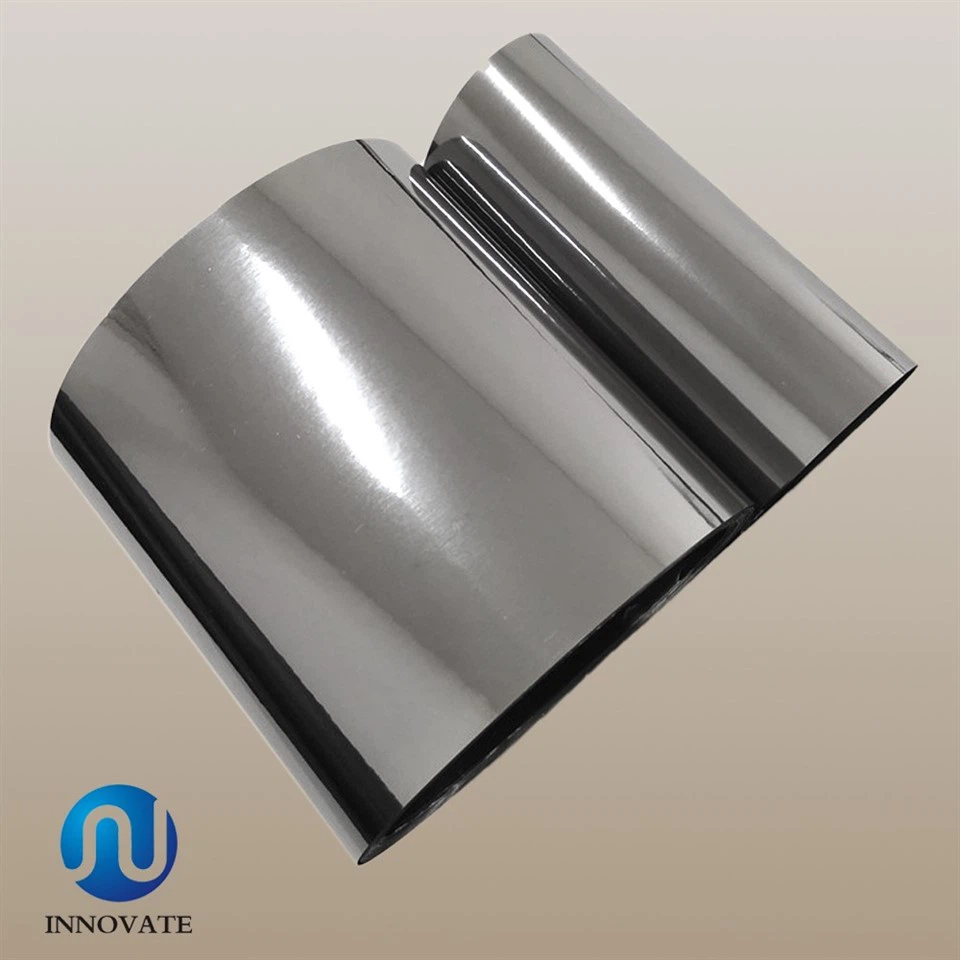
Mirror finish: This is the smoothest and shiniest surface finish you can get. A mirror - finished tantalum foil has a very flat and reflective surface, almost like a mirror. It's achieved through a combination of precise rolling and polishing processes. This type of finish is often used in applications where aesthetics and a high - quality appearance are important, such as in some decorative or high - end electronic components. You can check out our Ultra - thin Ta1 0.03 Tantalum Foil, which can be available with a mirror finish for those specific needs.
-
Matte finish: A matte finish is less shiny than a mirror finish. It has a duller appearance and a slightly rough texture. Matte finishes are achieved by using special rolling techniques or by applying a light etching process after rolling. This type of finish is great for applications where glare needs to be reduced. For example, in some optical devices or in components that are used in environments with bright lighting, a matte - finished tantalum foil can be a better choice.

-
Satin finish: A satin finish is somewhere between a mirror finish and a matte finish. It has a smooth, soft sheen. It's created by using a series of fine - grained abrasives during the finishing process. Satin - finished tantalum foil is often used in applications where a balance between appearance and functionality is required, like in some aerospace or medical devices.
-
Bead - blasted finish: In a bead - blasted finish, small beads are propelled at high speed onto the surface of the tantalum foil. This creates a uniform, textured surface. The bead - blasted finish is very durable and can hide minor scratches and imperfections. It's commonly used in applications where the foil needs to have a good grip or where it will be exposed to harsh environments. You can find out more about the properties of tantalum foil with different finishes on our 99.99% High Purity Tantalum Foil page.
The choice of surface finish also depends on the specific application of the tantalum foil.
In the electronics industry, for example, a smooth surface finish is often preferred. A smooth surface can ensure better electrical contact and reduce the risk of signal interference. In some high - frequency circuits, a mirror or satin finish tantalum foil can be used to optimize the performance of the electronic components.
In the chemical industry, where tantalum foil is used in corrosion - resistant equipment, a bead - blasted or matte finish might be more suitable. These finishes can provide a larger surface area for chemical reactions and also help in the adhesion of protective coatings if required.
In the aerospace and defense sectors, the surface finish needs to meet strict quality and performance standards. For parts that are exposed to high - speed airflow, a smooth finish can reduce drag. On the other hand, for parts that need to withstand high - impact forces, a more durable finish like a bead - blasted one can be used.
We also offer a High Tensile Tantalum Bursting Disc, which has a specific surface finish requirement to ensure its proper functioning. The surface finish of this disc is carefully controlled to make sure it can burst at the right pressure and in a predictable manner.
If you're in the market for tantalum foil, it's important to consider the surface finish based on your application requirements. We, as a tantalum foil supplier, are here to help you make the right choice. Whether you need a specific surface finish for a small - scale project or a large - volume order, we can customize the surface finish of our tantalum foil to meet your needs.
We have a team of experts who can guide you through the selection process. They can help you understand how different surface finishes will affect the performance of your product and which one is the best fit for your application.
If you're interested in purchasing tantalum foil or have any questions about surface finishes, don't hesitate to reach out. We're more than happy to discuss your requirements and provide you with a quote.
In conclusion, the surface finish of tantalum foil is an important aspect that can significantly impact its performance and suitability for different applications. By understanding the factors that affect the surface finish and the different types available, you can make an informed decision when it comes to choosing the right tantalum foil for your project.
References
- ASM Handbook: Volume 5 - Surface Engineering
- Tantalum and Niobium International Study Center (TIC) Publications