

What is a Tantalum Tube Heat Exchanger
A tantalum tube heat exchanger is a specialized type of industrial heat exchanger designed to handle highly corrosive and high‑temperature process fluids. Like all heat exchangers, its primary function is to transfer heat between two fluids-one hot and one cold-without the fluids mixing. The basic working principle relies on thermal conduction through tube walls, where one fluid flows inside the tubes and another flows outside or around them, separated by a solid barrier.
In a tantalum tube heat exchanger, the tubes that carry the process fluid are made of tantalum, a rare metal known for exceptional corrosion resistance. These tubes are usually integrated into designs such as shell and tube or double-pipe configurations. The shell contains one fluid, while the tantalum tubes carry the other, ensuring thermal exchange with minimal contamination risk.
Tantalum's material properties make it possible to process strong acids, chlorides, and other aggressive chemicals without significant wear. To integrate tantalum into heat exchangers, manufacturers either build the entire tube bundle from tantalum or apply tantalum liners to the inner surfaces of tubes made from a stronger structural material. This design maximizes corrosion resistance while maintaining mechanical strength-especially in large industrial units.
For engineers dealing with challenging environments, understanding the role of tantalum in corrosion resistant heat exchangers is critical. It offers durability and reliability well beyond common alloys such as stainless steel or titanium, making it the metal of choice for extreme chemical processing applications.
If you are interested in understanding tantalum's high‑temperature performance, you can explore related properties in what is the melting point of tantalum foil.
Why Use Tantalum Tubes in Heat Exchangers
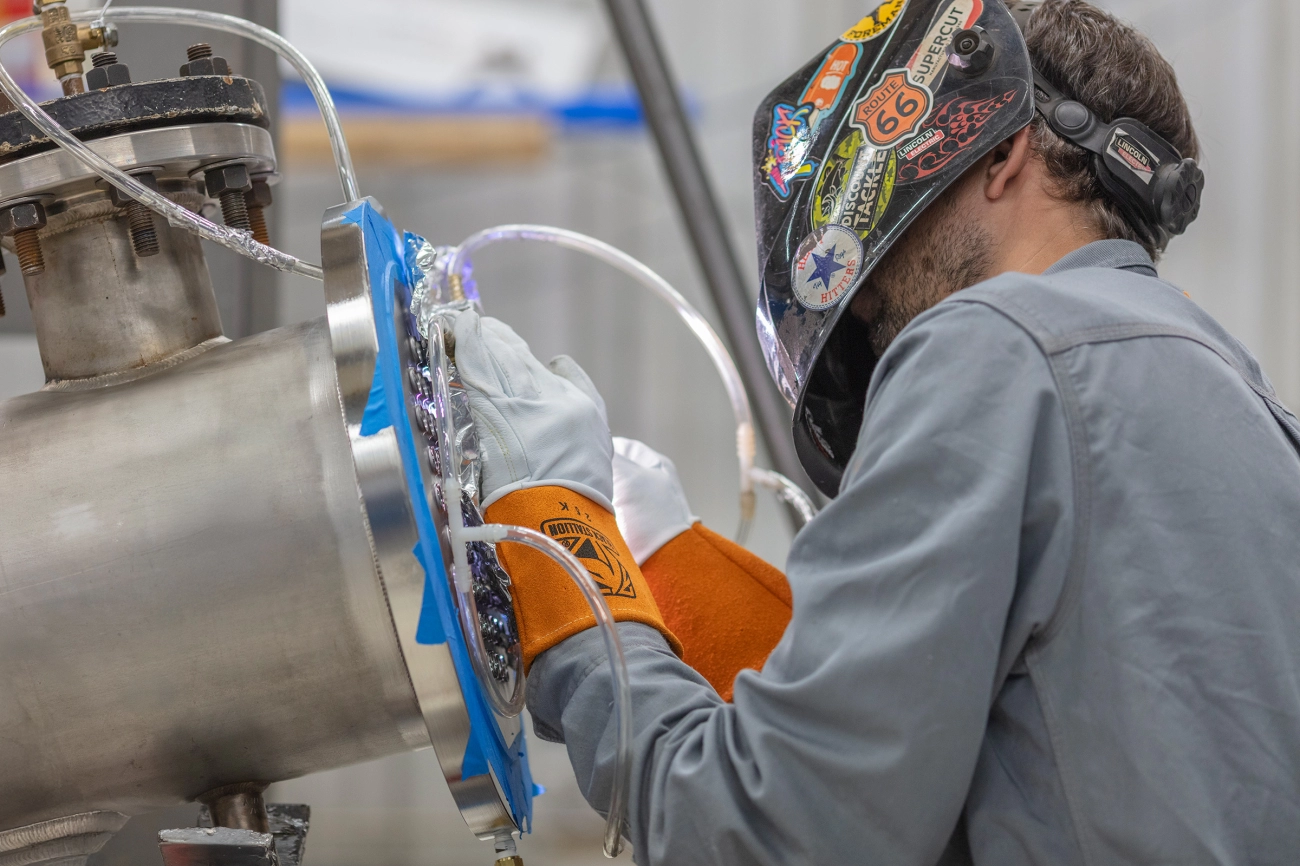
Tantalum stands out in heat exchanger applications because it combines extreme corrosion resistance, a high melting point, and excellent ductility-a rare mix for metals. This makes it one of the most reliable materials for handling aggressive chemicals and high-temperature processes without rapid wear.
Unique Properties of Tantalum
Corrosion Resistance: Practically immune to most acids, including hydrochloric, sulfuric, and nitric acid, even at high concentrations and temperatures.
High Melting Point: About 5,430°F (2,996°C), allowing it to operate safely in extreme heat.
Ductility: Easy to form and shape without cracking, which is an advantage in complex heat exchanger designs.
Comparison with Other Materials
| Property | Tantalum | Stainless Steel | Titanium |
|---|---|---|---|
| Corrosion Resistance | Excellent, even in strong acids | Good in mild settings | Good in seawater |
| Melting Point | Very high (5,430°F) | 2,500°F | 3,034°F |
| Longevity | 20+ years in harsh chemical service | Moderate | High |
| Cost | High upfront, low lifecycle costs | Low | Moderate |
How These Properties Translate to Operational Benefits
Lower maintenance frequency - less downtime for cleaning or part replacement.
Better performance in chemical plants where acid vapor and high heat destroy other metals.
Longer operational life, reducing total cost of ownership despite the higher purchase price.
Reliable performance in industries like pharmaceuticals, petrochemicals, and specialty chemicals where contamination and downtime are costly.
For companies that already rely on corrosion resistant heat exchangers, tantalum tubes can remove the risk of premature tube failure that often plagues stainless steel or even titanium systems. Manufacturers like Shaanxi Innovate Metal Technology Co Ltd specialize in supplying these tubes with customization options tailored to demanding industry requirements.
Types of Tantalum Tube Heat Exchangers
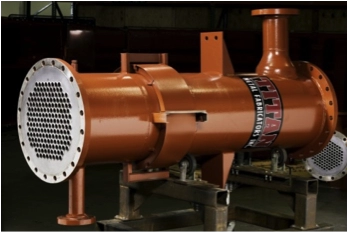
When we talk about tantalum tube heat exchangers, the design can vary based on the process, space, and operating conditions. Here are the main types you'll see in the U.S. market:
Shell and tube heat exchangers
This is the most common setup. Tantalum tubes run inside a larger metal shell, with one fluid flowing through the tubes and another around them inside the shell. The tantalum tubes handle the aggressive fluids, while the shell can be made from a more cost‑effective material. They're widely used in chemical plants and pharmaceutical production where corrosion is the main concern.
Double pipe heat exchangers
A more compact option, often used when space is tight or when the flow rates are smaller. One fluid runs through the tantalum inner tube, and another flows through the outer pipe. This style is simpler, easier to clean, and a good fit for pilot plants, lab work, or lower‑volume production lines.
Specialized designs with tantalum tubes
Some systems are built for very specific jobs-like evaporators, heaters, or condensers-where only certain parts in contact with the process fluid are made from tantalum. This "partial lining" approach lowers cost while keeping the corrosion resistance where you need it most.
Industry-specific variants
Industries like petrochemical, semiconductor, and pharmaceutical manufacturing often have their own design standards. For example:
Pharmaceutical heat exchangers may be designed for easy sterilization.
Semiconductor-grade systems may have ultra‑clean internals to prevent particle contamination.
Custom tantalum tube heat exchangers are engineered for unique chemical exposure or high‑temperature environments.
By choosing the right type, you match the heat exchanger's layout with your plant's needs, operating space, and the specific chemical resistance required.
Key Benefits and Applications of Tantalum Tube Heat Exchangers
Tantalum tube heat exchangers are built to take on environments that would quickly destroy most metals. Here's why they're valued in demanding U.S. industries and where they're commonly used.
Top Benefits
1. Exceptional Corrosion Resistance
Handles strong acids like hydrochloric, sulfuric, and nitric without pitting or degrading.
Resistant to chlorides, making them suitable for seawater and brine environments.
2. Longevity and Low Maintenance
Outlasts stainless steel and titanium in aggressive chemical service.
Reduces downtime and replacement cycles, saving costs over time.
3. Consistent Performance at High Temperatures
Operates reliably in both hot and cold extremes.
No sudden material failures under thermal stress.
Common Industries and Applications
| Industry | Typical Applications | Reason for Use |
|---|---|---|
| Chemical Processing | Acid pickling lines, acid recovery systems | Strong acid resistance |
| Pharmaceutical | Sterilization heating, clean-in-place (CIP) systems | Purity, no metal contamination |
| Petrochemical | Chlorinated solvent condensers, brine heaters | Corrosion resistance in chlorinated media |
| Semiconductor | Ultra-pure chemical heating | No contamination in high-purity processes |
Industry Standards
Many tantalum heat exchangers meet or exceed:
ASME specifications for pressure vessels.
ASTM B521 and ASTM B708 for tantalum tube quality.
Client-specific chemical and pharmaceutical plant standards in the U.S.
Tantalum's corrosion resistance and stability make these exchangers a go-to choice for plants that need reliable service in harsh chemical conditions without frequent shutdowns.
Manufacturing and Quality Control of Tantalum Tubes by Shaanxi Innovate Metal Technology Co Ltd
Shaanxi Innovate Metal Technology Co., Ltd. is a specialized tantalum tube supplier and manufacturer with a strong focus on producing high-performance tubes for corrosion resistant heat exchangers. Each tube is made to withstand tough chemical environments while meeting strict international standards for the chemical, pharmaceutical, and petrochemical industries in the U.S. and worldwide.
Manufacturing Process
The production process is designed to ensure precision, purity, and durability:
Material Selection – Only high-grade tantalum ingots are sourced to guarantee excellent corrosion and heat resistance.
Tube Forming – Tubes are drawn or extruded into required sizes, ensuring consistent wall thickness and smooth internal surfaces for efficient heat transfer.
Heat Treatment – Carried out to enhance ductility and strength, giving the tubes the ability to handle extreme temperatures.
Finishing – Includes polishing and cleaning to remove any impurities, ensuring tubes are 100% ready for industrial integration.
Quality Assurance and Testing
Every batch goes through strict quality control before shipping:
Mechanical Testing – Checks tensile strength, elongation, and hardness to ensure performance under high-pressure use.
Corrosion Tests – Simulations in acid and chemical solutions to confirm resistance.
Dimensional Inspection – Verifies exact diameter, wall thickness, and length for seamless fit in shell and tube heat exchanger designs.
Customization Options
For U.S. clients needing custom tantalum tube heat exchangers, Shaanxi Innovate offers:
Custom Sizes and Wall Thickness
Special End Configurations for different exchanger setups
Integration with Titanium or Stainless Steel Housings for hybrid designs that balance cost and performance
Certifications and Compliance
Shaanxi Innovate's products meet ASTM, ASTM B521, and ASME standards, along with ISO certifications. This ensures compliance with U.S. and global industry codes for industrial heat exchanger materials.
How to Choose the Right Tantalum Tube Heat Exchanger for Your Needs
Picking the right tantalum tube heat exchanger comes down to matching the unit's capabilities with your operating conditions. In industries like chemical processing, pharmaceuticals, and petrochemicals, even small mismatches in material choice can lead to costly downtime. Here's what to focus on when making your choice:
Key Factors to Check
Operating Temperature – Tantalum handles very high heat, but know your exact process temperature to size the exchanger properly.
Pressure Range – Make sure the shell and tube structure is designed for your required operating pressure.
Chemical Exposure – Identify every fluid, gas, or chemical in contact with the tubes. Tantalum is extremely corrosion-resistant, but it's smart to confirm compatibility.
Flow Rates – Ensure the design can handle your product and cooling/heating flow speeds.
Space and Design Constraints – Determine if you need a shell and tube, double pipe, or a custom build.
| Factor | Why It Matters | Tantalum Advantage |
|---|---|---|
| Temperature | Ensures longevity and safety | High heat resistance |
| Pressure | Prevents leaks or structure failure | Strong tube integrity |
| Chemical Resistance | Avoids corrosion and contamination | Exceptional against acids, chlorides |
| Flow Rate | Maintains process efficiency | Stable under high velocity |
| Design Fit | Matches plant layout and service needs | Customizable options |
Work With a Specialist
Suppliers like Shaanxi Innovate Metal Technology Co., Ltd. can design custom tantalum tube heat exchangers based on your detailed specs. They'll look at:
Your chemical profile
Thermal duties
Existing plant setup
Budget range
Cost vs. Performance Balance
Upfront Cost: Higher than stainless steel or titanium, but often offset by little to no replacement over decades.
Performance: Ideal for harsh environments where other materials fail quickly.
ROI: Lower maintenance, reduced downtime, and longer lifespan often deliver strong long-term value.
Maintenance and Longevity Tips for Tantalum Tube Heat Exchangers
Tantalum tube heat exchangers are built to handle aggressive chemicals and high temperatures, but keeping them in top shape requires consistent care. Proper operation and maintenance can extend service life and prevent costly downtime.
Best Practices for Operation and Maintenance
Keep flow rates within recommended limits – Avoid sudden pressure spikes or flow surges that could stress the tubes.
Regular cleaning – Flush out deposits or scaling before they build up, especially when handling high-solids media.
Monitor inlet quality – Filter out particulates and debris to prevent abrasion on the tube surfaces.
Stay within design limits – Follow the manufacturer's specified temperature and pressure guidelines.
Signs of Wear to Watch For
Reduced heat transfer performance.
Unusual pressure drops across the exchanger.
Visible surface discoloration, pitting, or scaling on tubes.
Small leaks or seepage at tube joints or connections.
When these signs show up, it's worth having the unit inspected to determine if a partial tube replacement or full retube is needed.
Support and After-Sales Service
Trusted tantalum tube suppliers like Shaanxi Innovate Metal Technology Co Ltd provide:
Inspection and technical troubleshooting.
Customized replacement tubes that match exact specs.
On-site or remote guidance for installation.
Documentation for compliance with U.S. and international industry standards.
With proper handling, a corrosion resistant heat exchanger made with tantalum tubes can deliver decades of reliable service in chemical, pharmaceutical, and industrial plants.